1
Tranq detox is the medical clearance — tranq rehab is the integrated work that follows. Most clients arrive after 5 to 10 days of tranq detox with healing wounds, ongoing buprenorphine maintenance, recent overdose history, and a polysubstance picture that includes fentanyl. The residential program addresses all of it under one roof.
Xylazine — known on the street as tranq or tranq dope — is now in most of the street fentanyl supply in many U.S. markets. Xylazine rehab isn’t generic addiction treatment relabeled. The wound-care reality, the polysubstance pharmacology, and the harm-reduction emotional register are different from any other residential track. Tranq dope cases get clinical care that accounts for both substances, not just one.
Wound care is residential, not just detox. Most clients arrive with healing or unhealed skin wounds at injection sites and sometimes elsewhere on the body — sometimes weeks of xylazine wound care residential support are needed beyond detox. Our residential program for tranq is designed with wound-care baked in we ensure coordination with specialists for severe necrosis. Wounds don’t heal by discharge if discharge is rushed.
Most tranq clients are also fentanyl clients — the fentanyl xylazine rehab combined plan addresses both. Long-term buprenorphine maintenance (Sublocade monthly injection or oral Suboxone) for the opioid component. Alpha-2 agonist support if xylazine withdrawal is still active beyond detox. Naloxone training for clients and families with explicit teaching on the limitation: naloxone covers fentanyl, not xylazine. See our fentanyl residential page for the opioid-side parallel.
In our experience treating tranq clients they have ALL, not most but all, lost peers to overdose. — and they know naloxone wouldn’t have helped if the xylazine was the dominant component. That fact lives in the body and the mind and isn’t something to be dismissed. We’ve found that tranq rehab clients respond differently than other opioid clients — the wound-care reality and the close-call survivorship combine into a clinical picture that needs integrated care, not parallel referrals.

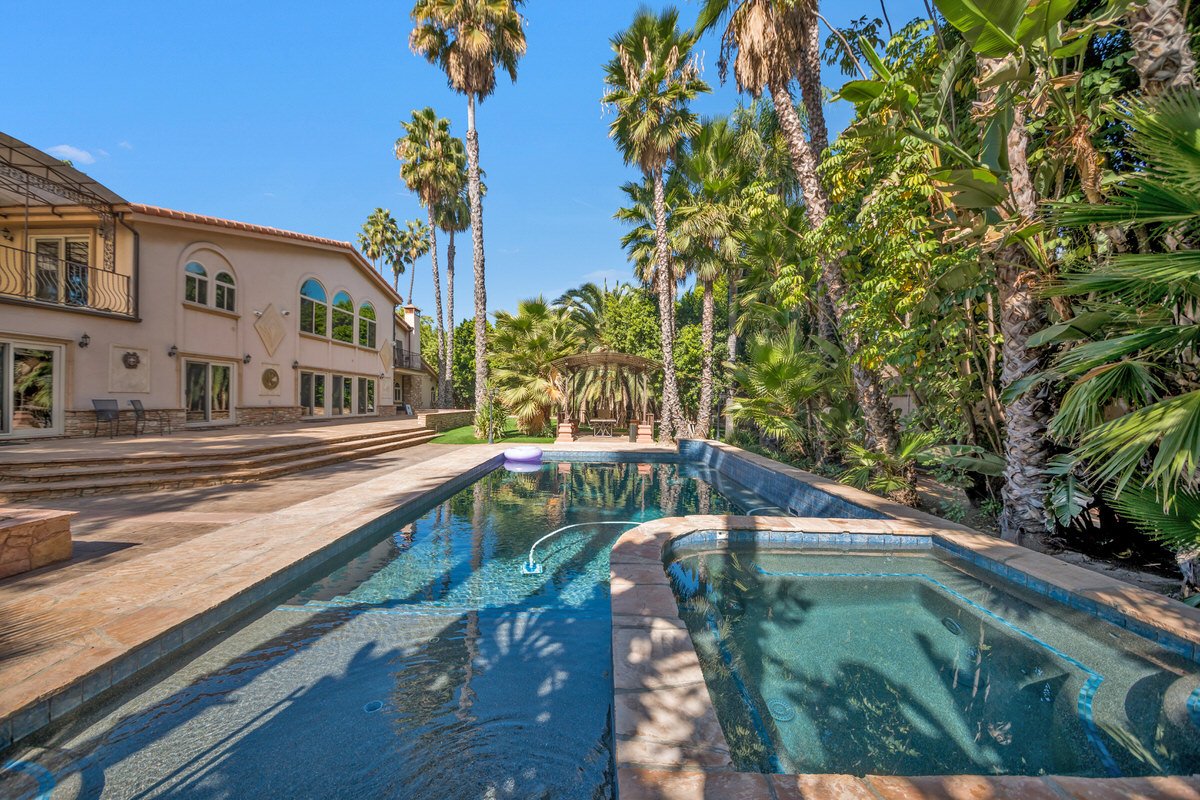 Resort-Style Pool
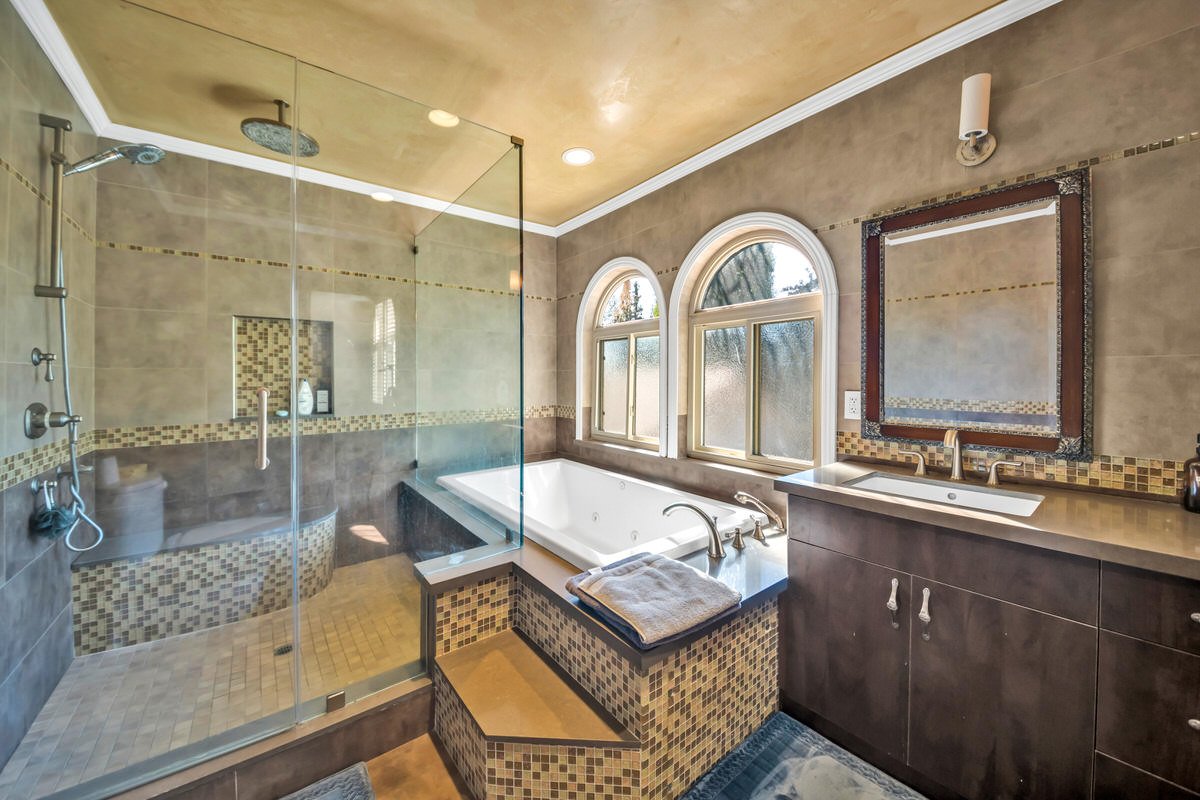 Spa, Sauna & Wellness Suite
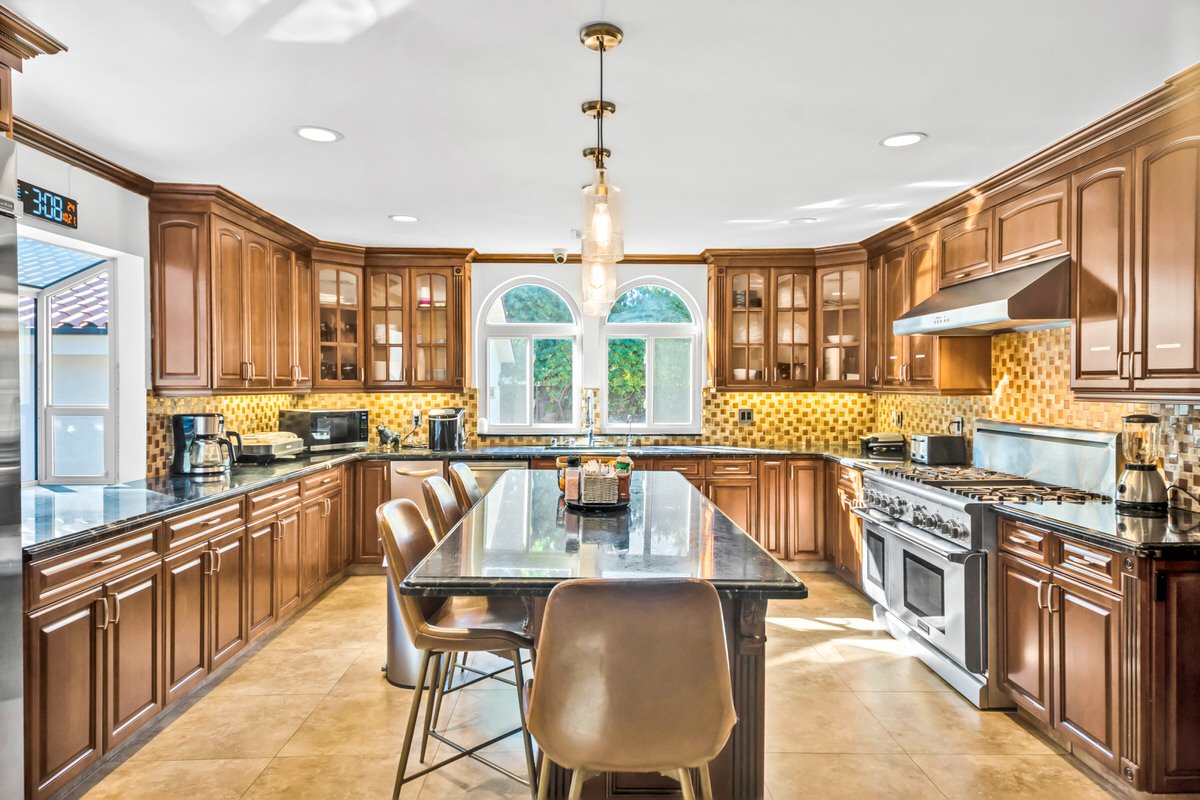 Chef-Prepared Meals Daily
Standard residential tranq rehab runs 30 to 90 days. The wound-care reality often extends timelines beyond what other opioid rehab tracks need — wounds healing during residential mean discharge timing aligns with both the addiction work and the medical recovery. Most tranq dope rehab cases land at 60 to 90 days because of the polysubstance picture (xylazine plus fentanyl), the wound-care continuity, and the trauma work around overdose loss. Insurance covers 30 days as a baseline; longer stays require medical-necessity documentation, which our admissions team prepares. See our tranq detox page for the medical-clearance phase.
Fentanyl xylazine rehab combined treatment runs both substance protocols under one roof. The opioid component gets long-term buprenorphine MAT — Sublocade monthly injection or oral Suboxone — plus standard relapse-prevention therapy. The xylazine component gets continued wound care, alpha-2 agonist support if any withdrawal symptoms persist beyond detox, and naloxone training that explicitly covers the limitation (naloxone reverses fentanyl, not xylazine). Treating one substance without addressing the other doesn’t produce durable recovery for tranq dope cases. See our fentanyl residential page for the opioid-side detail.
Xylazine wound care residential support is required because most tranq clients arrive with skin wounds in active stages of healing or unhealed. The wounds aren’t cosmetic — xylazine causes localized tissue ischemia at and beyond injection sites that can produce ulcers, necrosis, and infection if untreated. Discharge with active wounds is a setup for medical complications. Constant monitoring along with weekly assessment, and specialist referral when severity warrants. Most wounds heal substantially during residential; some need longer outpatient wound-care continuity. The clinical evidence supports treating the wounds and the addiction simultaneously, not sequentially.
Most major commercial insurers cover residential xylazine addiction treatment under SUD parity laws. Plans we work with regularly include Anthem Blue Cross Blue Shield, Aetna, Cigna, Carelon Behavioral Health, UnitedHealthcare, and Health Net of California. The polysubstance picture (xylazine plus fentanyl) and wound-care medical components generally strengthen the medical-necessity case for inpatient admission and longer length-of-stay. Same-day insurance verification is standard at GEVS. To start the verification process, see our verify your insurance page or call (844) 501-5005.