DUAL DIAGNOSIS REHAB · 6 CONDITIONS · INTEGRATED

Dual Diagnosis Rehab That Treats Both Conditions, Together

Integrated dual diagnosis rehab in California for substance use plus depression, anxiety, PTSD, ADHD, bipolar, or burnout. One medical team. Parallel treatment, not sequential. 30 to 90 day residential.Call (844) 501-5005Verify Insurance
Joint Commission Accredited
Substance-Specific Protocols
24/7 Medical Team
Private Gated Estate

Why Dual Diagnosis Rehab Outperforms Sequential Treatment

Dual diagnosis rehab treats substance use disorder and a co-occurring mental health condition together. The integrated arc outperforms sequential treatment in nearly every research-supported outcome that matters. Co-occurring disorders treatment at GEVS covers six primary conditions, each with a dedicated clinical track: depression and addiction, anxiety and substance abuse, PTSD and addiction, ADHD with SUD, bipolar and substance abuse, burnout with substance coping. Dual diagnosis treatment center California options often default to addiction-primary or mental-health-primary. We are integrated. Psychiatrist plus addiction medicine plus therapy team coordinate daily, not in weekly handoffs. Advanced interventions live inside the program rather than outside referrals: TMS for treatment-resistant depression, ketamine protocols where indicated, EMDR across the trauma tracks.
Dual Diagnosis Rehab — Gev's Recovery

What 30 to 90 Days Looks Like

1

Diagnostic Assessment

Full psychiatric assessment runs alongside SUD assessment. Many clients have never had a sober diagnostic baseline. We document what we see now, knowing some symptoms will resolve as substance use leaves and others will become clearer.
2

Integrated Treatment Plan

One plan, two conditions. Medication strategy paired with therapy approach, both adjusted as stabilization progresses. Goals are explicit and measurable.
3

Parallel Therapy

Daily structure mixes individual therapy, group programming, medication management, and the advanced interventions when indicated. The mental health track and SUD track run in parallel rather than in sequence.
4

Discharge Coordination

Discharge planning hands the client to outpatient prescriber plus therapist plus peer support — coordinated as a package, not three separate referrals. Continuing medication regimen comes home in writing.

Dual diagnosis rehab outcomes track with treating both conditions in parallel — not in sequence. Call (844) 501-5005.

Call (844) 501-5005Verify Insurance

The Six Co-Occurring Tracks

Depression + Addiction

Depression and addiction treatment integrated in real time. SSRIs and SNRIs alongside SUD work, with TMS available for treatment-resistant depression. Behavioral activation, CBT for depression, group programming.

Anxiety + Substance Abuse

Anxiety and substance abuse treatment integrated, with non-benzodiazepine anxiety medications as standard — buspirone, hydroxyzine, propranolol where indicated. Exposure therapy and CBT for anxiety.

PTSD + Addiction

PTSD and addiction rehab integrated. EMDR, trauma-focused CBT, somatic experiencing as the core therapy menu. Medication support for sleep and hyperarousal.

ADHD, Bipolar, Burnout + SUD

Three more cluster-specific tracks. ADHD with non-stimulant first, stimulant when warranted; bipolar with mood stabilizers and structured monitoring; burnout with workload restructuring and identity work.

Where the Work Happens

Resort-Style PoolResort-Style Pool
Spa, Sauna & Wellness SuiteSpa, Sauna & Wellness Suite
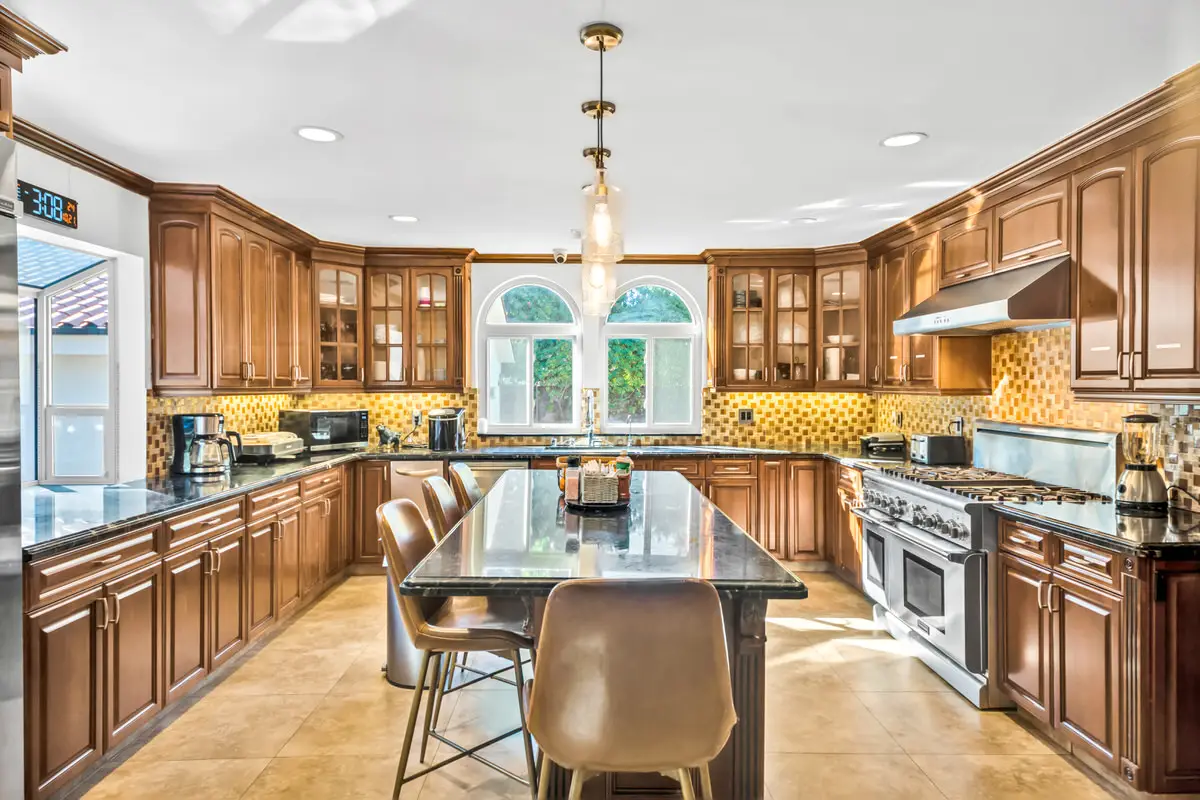
Chef-Prepared Meals DailyChef-Prepared Meals Daily

Both, Together

Confidential admissions, 24/7. We’ll walk you through every step.Call (844) 501-5005Verify Insurance

Common Questions

What is dual diagnosis and why does integrated treatment matter?

Dual diagnosis means a substance use disorder co-occurring with a mental health condition. Co-occurring disorders treatment integrated across both runs better outcomes than sequential treatment. The reason is straightforward — substance use is often self-medication for an underlying mental health symptom. Treating only one drives relapse on the other. We cover six primary conditions with dedicated tracks.

What conditions does GEVS treat alongside substance use?

Six primary co-occurring conditions, each with a dedicated track: depression, anxiety, PTSD, ADHD, bipolar, and burnout. Each track has its own integrated medication strategy and therapy approach. Advanced interventions sit inside the program: TMS for treatment-resistant depression, ketamine protocols where indicated, EMDR across the trauma tracks, long-acting injectables for the psychotic-spectrum cases.

How is integrated treatment different from sequential?

Integrated dual diagnosis treatment means both conditions get treated in parallel by a coordinated team — psychiatrist, addiction medicine, therapy, all daily and on the same plan. Sequential means treat one, then the other, usually substance first and mental health afterward. Integrated wins because substance use is often a symptom rather than the root condition.

Does insurance cover dual diagnosis rehab?

Most major insurers cover it under SUD plus mental health parity (MHPAEA). Both conditions are typically covered together when the program is properly integrated. Aetna, Anthem Blue Cross, Cigna, United, and Centene plans we work with regularly. Same-day verification before you commit.