

1
Depression treatment isn’t one protocol. It’s a clinical question with multiple right answers depending on the case. SSRIs work for many. SNRIs work for some. Treatment-resistant depression — defined as inadequate response to two adequate trials of antidepressants — needs the next-line interventions: TMS, ketamine, augmentation strategies.
Residential depression treatment is appropriate when outpatient hasn’t been enough — severe symptoms, suicidality, dual diagnosis with substance use, or treatment-resistant cases that need medication trials in a controlled setting. Dual diagnosis depression — depression layered with active substance use disorder — almost always benefits from residential because the two diagnoses interact in ways outpatient struggles to monitor. Our residential anxiety treatment shares the same psychiatry team and infrastructure for clients with overlapping presentations.
SSRIs first-line: sertraline (Zoloft), escitalopram (Lexapro), fluoxetine. SNRIs second-line or first-line for some: venlafaxine, duloxetine. Bupropion (Wellbutrin) for clients with low energy or weight concerns. Augmentation with lithium, lamotrigine, or atypical antipsychotics for treatment-resistant cases.
Transcranial magnetic stimulation (TMS) — FDA-approved for treatment-resistant depression — is available through all levels of care. 30-minute sessions, 5 days per week for 4 to 6 weeks. We offer it during residential when appropriate. Ketamine for depression — racemic ketamine infusions or esketamine (Spravato) nasal spray — is available for treatment-resistant cases. Rapid response, often within 24 to 72 hours, for clients in acute distress. SAMHSA-aligned protocols.
We’ve found that the depression treatment cases that go well are the ones where we don’t pretend the first medication trial is the last word.

 Resort-Style Pool
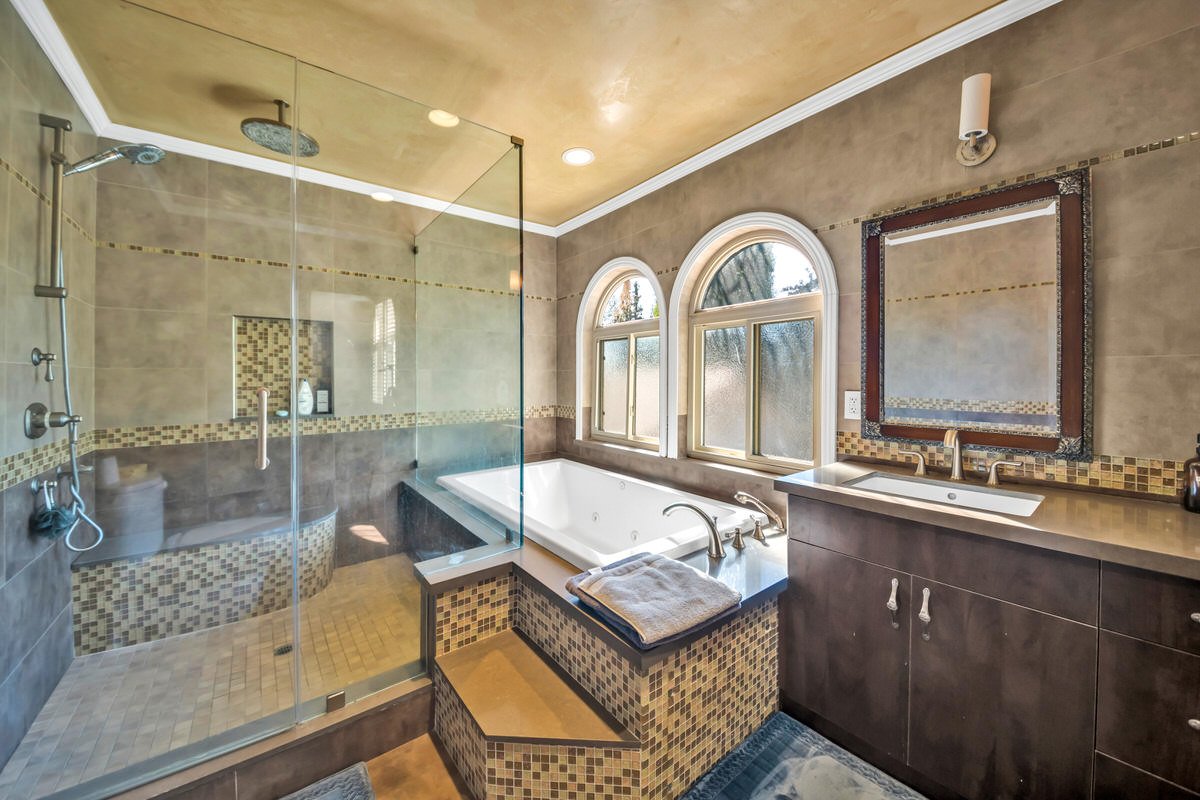 Spa, Sauna & Wellness Suite
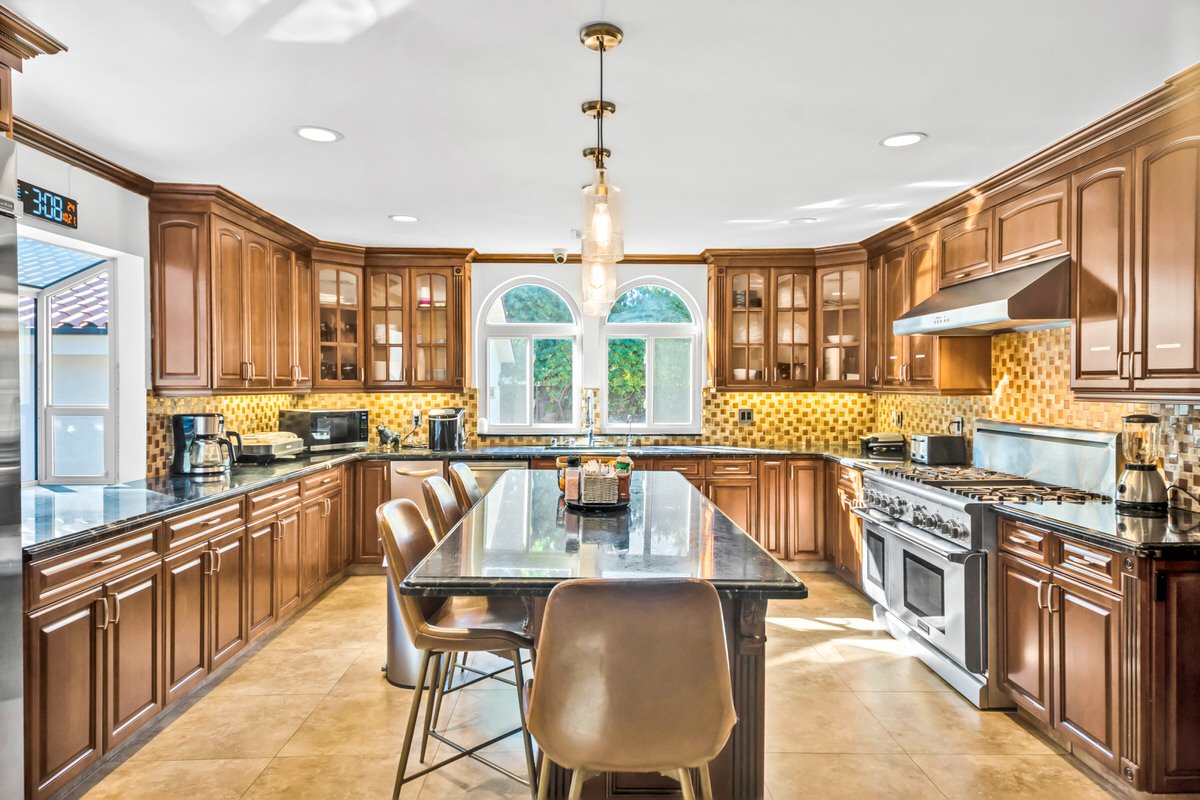 Chef-Prepared Meals Daily
Treatment-resistant depression (TRD) means inadequate response to two or more adequate trials of antidepressants — adequate dose, adequate duration. About 30 percent of depression cases meet criteria. The next-line interventions look different. TMS — FDA-approved for TRD — is the most-studied option. Ketamine infusions and esketamine (Spravato) nasal spray work rapidly when distress is acute. Augmentation strategies include lithium, lamotrigine, and atypical antipsychotics like aripiprazole or quetiapine. Genesight pharmacogenomic testing helps narrow medication selection when prior trials have been inconsistent. Residential matters for TRD because medication transitions need closer monitoring than outpatient can usually provide. See our recovery programs hub for related care lines.
TMS — transcranial magnetic stimulation — is FDA-approved for treatment-resistant depression. The protocol: 30-minute daily sessions, 5 days per week, for 4 to 6 weeks. No anesthesia. No memory effects. Mechanism: targeted magnetic pulses stimulate the left dorsolateral prefrontal cortex, modulating depression-relevant networks. We offer TMS on-site at GEVS during residential when appropriate, which removes the logistical friction most outpatient TMS clients face. Insurance handles TMS as a separate medical benefit with prior authorization. To check coverage and admission timing, see our enrollment guidance.
Yes — and integrated treatment outperforms sequential almost every time. We treat dual diagnosis depression as one clinical question, not two. Depression and substance use are often bidirectional. Drinking or using to numb depression symptoms; mood crashing harder once the substance leaves. Treating one without the other has high relapse rates. At GEVS the psychiatry team coordinates with addiction medicine in the same building. Medications get adjusted with both diagnoses in mind — we avoid agents that worsen one while treating the other. Therapy addresses both presentations in the same session when relevant. See our recovery programs hub for substance-side detail.
Most major commercial insurers cover residential depression treatment under MHPAEA mental-health parity laws. Coverage typically includes Anthem Blue Cross Blue Shield, Aetna, Cigna, Carelon Behavioral Health, Optum Behavioral Health, Magellan Health, and Evernorth Behavioral Health. TMS is usually covered separately under medical benefits with prior authorization — we handle that paperwork. Same-day verification is standard at GEVS. To start the verification process, see our verify your insurance page or call (844) 501-5005.