

1
Most prescription drug rehab clients at Gevs Recovery didn’t choose addiction. They followed a doctor’s prescription — for pain, anxiety, ADHD, sleep — and ended up dependent on a substance the medical system handed them. The emotional register is different from street-drug recovery: less shame, more “this happened gradually,” more puzzlement at how things got here.
The clinical word for that is iatrogenic dependence — a medical-system origin distinct from street-drug dependence. Less shame, more medical complexity, frequently older clients, and almost always polypharmacy (multiple prescriptions interacting in ways individual prescribers didn’t catch). Most prescription drug addiction treatment cases at GEVS are polypharmacy cases.
Residential prescription drug rehab is where the work shifts from getting off the medication to figuring out what’s underneath. The original chronic pain that started with the opioid prescription. The untreated anxiety the benzodiazepine was prescribed for. The ADHD that was never properly treated. The depression the prescription was supposed to fix. We treat all four because the prescription rarely solved any of them durably.
And — sometimes the original condition is real and needs ongoing medication. Severe ADHD might need stimulant medication. Treatment-resistant anxiety might need short-acting benzodiazepines on a controlled basis. We don’t gatekeep against that. We work with prescribers to find what’s appropriate, monitored, and safer than the pattern that brought you in. The “when you need the med” framing is part of how we make prescription drug rehab actually durable.
Cross-references include prescription drug detox for the medical-clearance phase that often precedes residential. We’ve found that the iatrogenic-dependence population responds especially well to a clinical team that takes the prescription history seriously rather than treating it as a moral failing.

 Resort-Style Pool
 Spa, Sauna & Wellness Suite
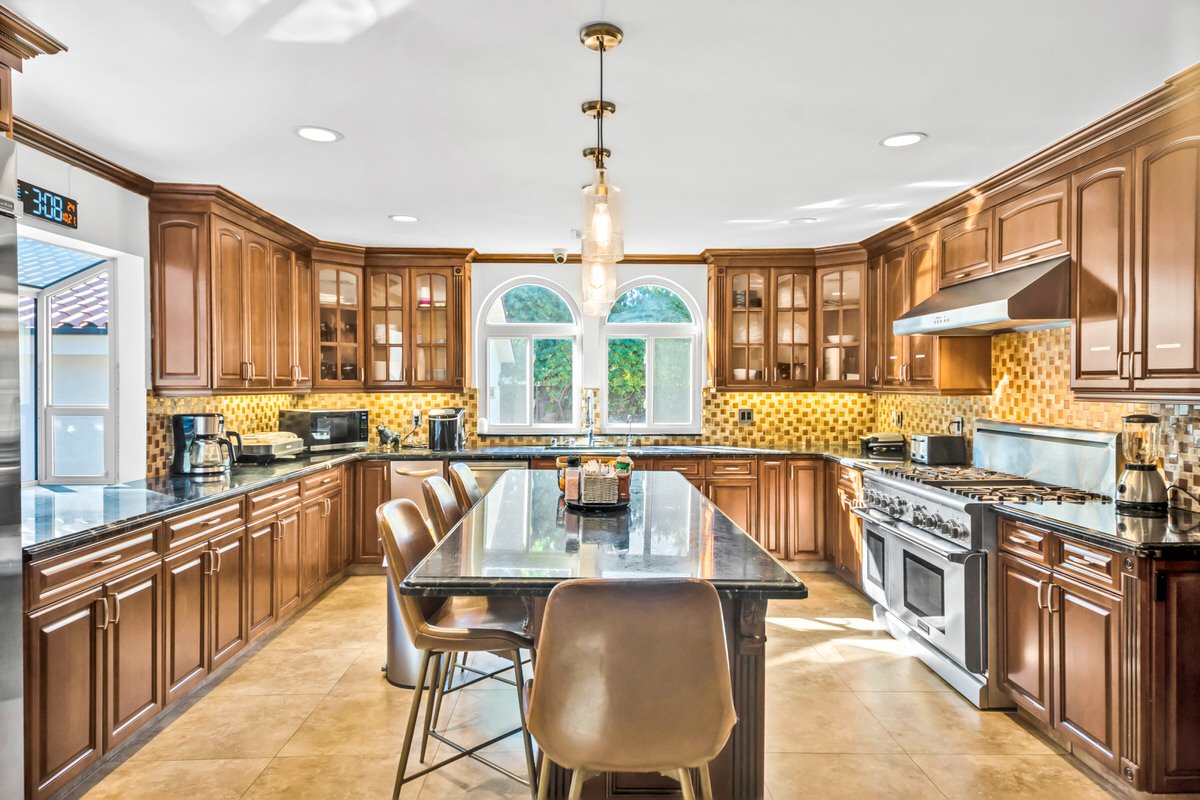 Chef-Prepared Meals Daily
Safely getting off benzodiazepines requires a slow medically supervised taper, not cold-turkey discontinuation. Often using a longer-acting bridge medication like diazepam or clonazepam. CIWA-B scoring throughout. Anxiety treatment runs in parallel because the original anxiety almost always re-emerges during taper. Cold-turkey benzodiazepine discontinuation is dangerous — grand mal seizures are a real risk. Residential prescription drug rehab provides the supervision, time, and clinical patience that home tapers can’t. See our benzo residential page for the protocol detail.
Prescription drug addiction treatment addresses dependence on medications the medical system prescribed — opioids for pain, benzodiazepines for anxiety, stimulants for ADHD, sometimes Z-drugs for sleep. The treatment plan: medication review and taper, addressing the underlying condition that drove the prescription, and identifying which prescriptions can continue safely (sometimes none, sometimes a different version). Iatrogenic dependence is the clinical term for this population — and it’s a different population from street-drug dependence. Less shame, more medical complexity, almost always polypharmacy. We work with the prescription history, not against it.
Iatrogenic dependence is dependence caused by medical treatment — the prescription was legitimate, the medical need was real, and dependence developed as a physiological consequence of sustained use. Whether it qualifies as “addiction” depends on the criteria you use. The DSM-5 substance use disorder criteria include both physiological dependence (tolerance, withdrawal) and behavioral patterns (loss of control, continued use despite consequences). Some iatrogenic-dependence cases meet full SUD criteria; some don’t. Either way, the clinical work is similar: careful taper, treatment of the underlying condition, and continued monitoring. The shame load is lower because the origin was medical, not chosen.
Most major commercial insurers cover residential prescription drug rehab under SUD parity laws. Common in-network and out-of-network paths include Anthem Blue Cross of California, Aetna, Cigna, Carelon Behavioral Health, Empire Plan / NYSHIP, and UnitedHealthcare. Iatrogenic-prescription cases — where the original prescription is documented in medical records — often have particularly strong coverage because the medical-necessity case is well-supported. Polypharmacy cases requiring extended length-of-stay get medical-necessity documentation prepared by our admissions team. Same-day insurance verification is standard at GEVS. To start, see our verify your insurance page or call (844) 501-5005.