

1


Meth detox is the medical clearance — meth rehab is the rebuild that actually takes the time meth recovery requires. The acute phase ends in 7 to 14 days. Anhedonia and cognitive recovery extend months past that. Most programs undersell the timeline. We don’t. The clients who relapse fastest are the ones whose discharge happened during the post-acute window, not after it.
Methamphetamine rehab works on a longer arc than other stimulant residentials. Residential 30 days isn’t enough for most cases. Sixty days is the floor. Ninety days is what we recommend for serious or sustained use patterns. The 90-day reality is a clinical-honest framing — competitors hedge with “30-90 days flexible,” and the hedge is part of the relapse pattern. We combat this issue by ensuring transparency with our clients and their families. Ensuring that if an early discharge is neccesary for any reason that a full plan is implemented to ensure the treatment doesnt stop at the door, continued therapy, medication management, ongoing case management and family resources to address the ongoing symptoms post discharge.
Anhedonia — the inability to feel pleasure — peaks 7 to 14 days after last use and lifts gradually over 2 to 4 weeks of residential work. Some lingering anhedonia effects extend 30 to 90 days. Meth psychosis — the paranoid, sometimes hallucinatory state from sustained high-dose use — usually clears within 7 to 14 days of abstinence. Some clients have underlying psychotic disorders that the meth use unmasked, and they need separate psychiatric care during residential.
Memory, attention, executive function — they all rebuild, but slowly. Most clients see meaningful cognitive improvement at 30 days; full cognitive recovery often takes 6 to 12 months. Cognitive remediation strategies during residential help. Cross-references include meth detox for the medical-clearance phase that sets up this arc, and recovery programs for the broader pathway.
We’ve found that the clients who do best in meth rehab are the ones who stop trying to discharge fast and accept the timeline the brain actually needs.
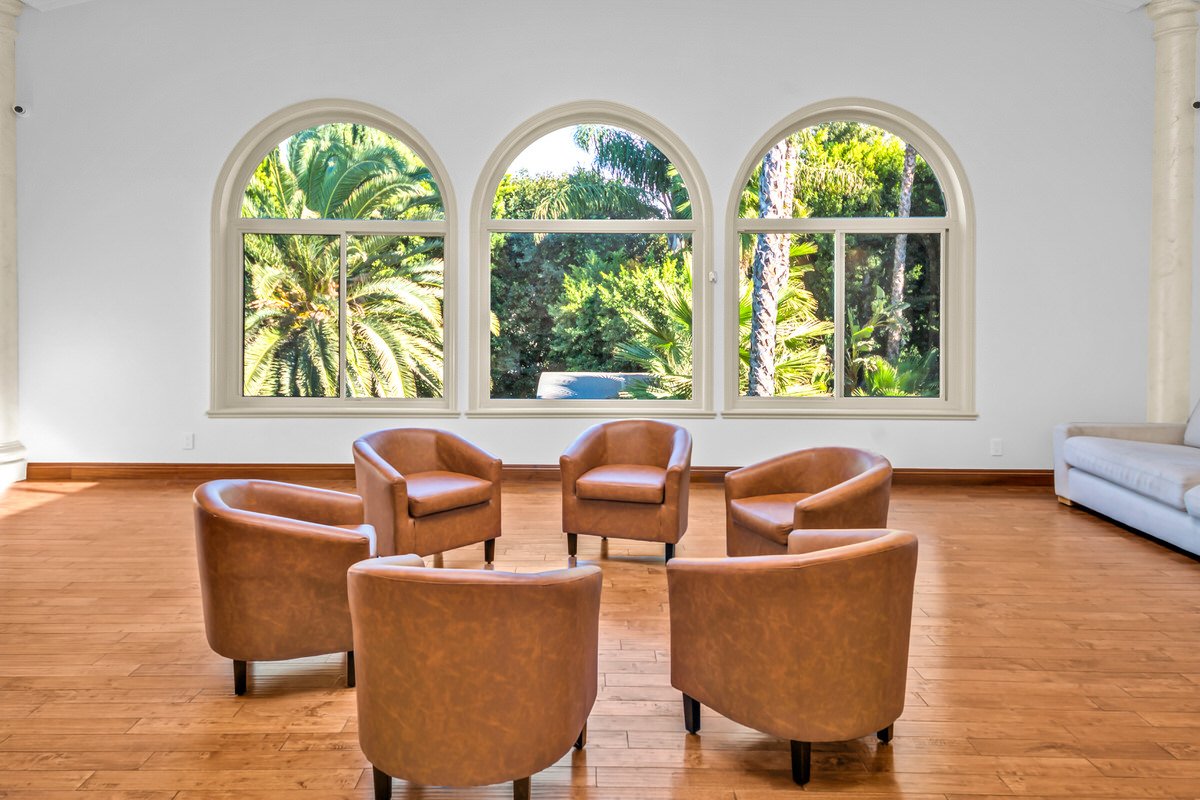
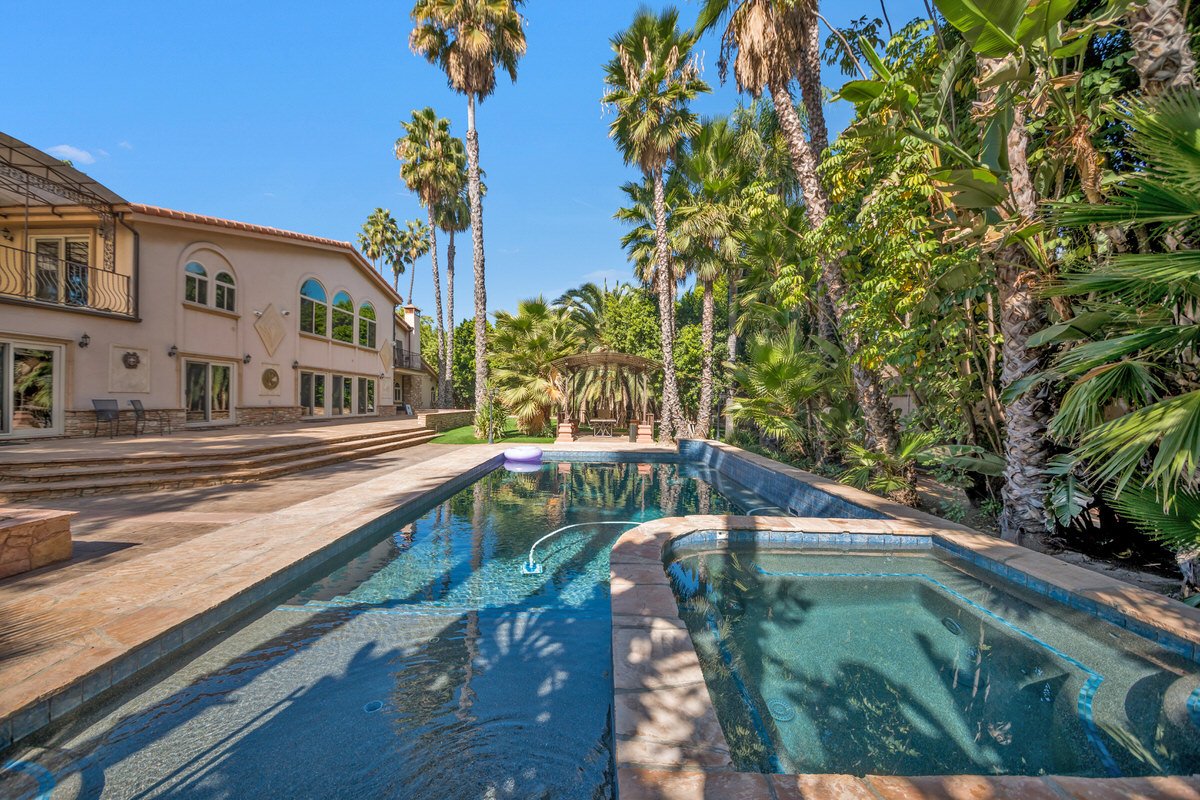 Resort-Style Pool
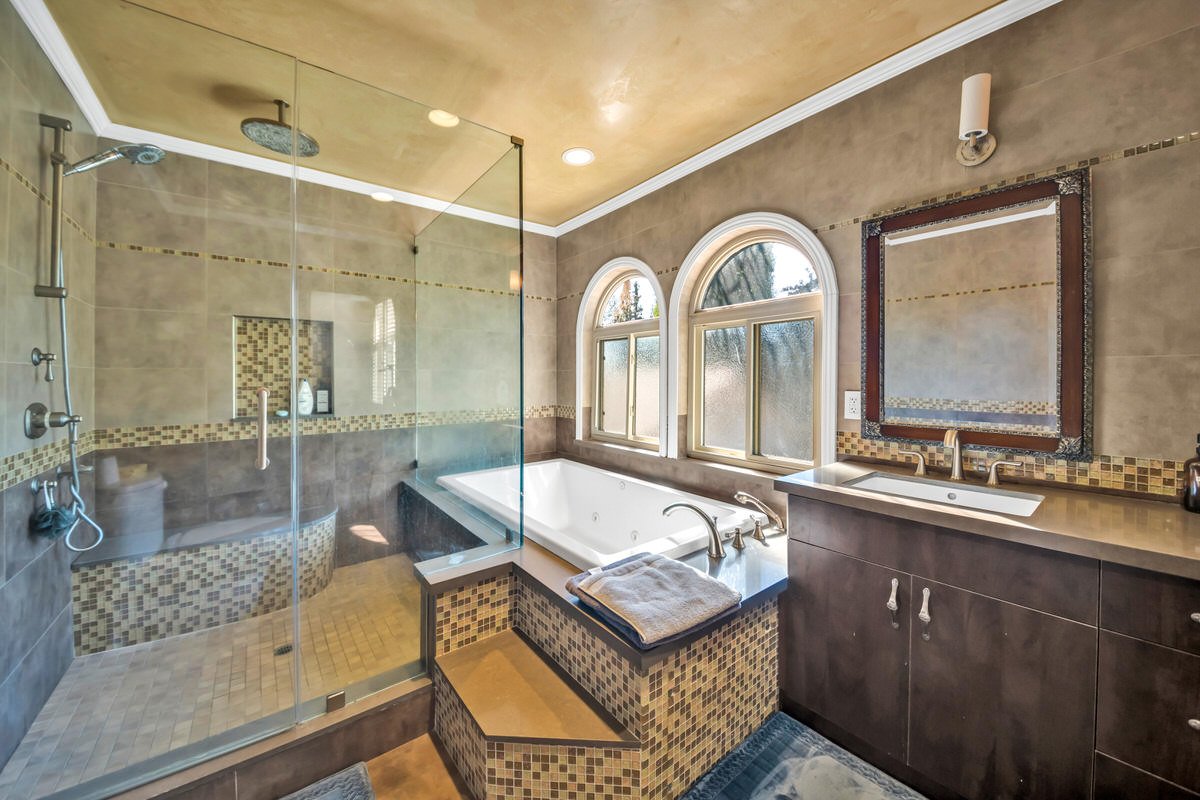 Spa, Sauna & Wellness Suite
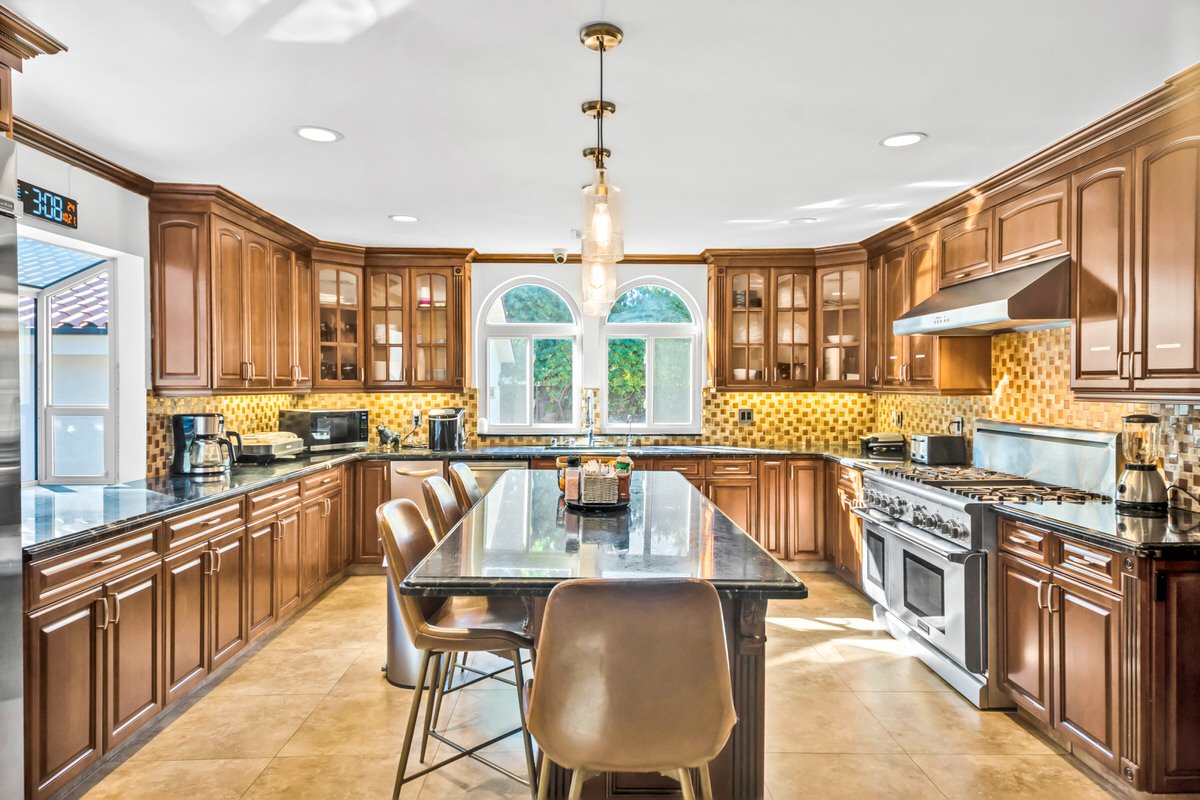 Chef-Prepared Meals Daily
The meth recovery timeline that actually works runs 60 to 90 days residential. Thirty days isn’t enough for most methamphetamine cases — clients discharged at 30 days are still in the post-acute anhedonia window when they leave, and that timing drives relapse. Sixty days lets the post-acute symptoms resolve and skill-building work take hold. Ninety days lets cognitive recovery progress meaningfully and life-infrastructure rebuild get underway. The 90-day reality is what the evidence supports for serious or sustained methamphetamine use. Insurance coverage typically starts at 30 days; we prepare medical-necessity documentation for 60 to 90 day extensions. See our meth detox page for the medical clearance phase.
Meth psychosis treatment in residential begins with screening — most acute psychosis from methamphetamine clears within 7 to 14 days of abstinence with rest, hydration, and antipsychotic medication when needed. We screen at intake and at every weekly assessment because residual symptoms past 14 days warrant separate psychiatric workup. Sometimes the meth use unmasked a primary psychotic disorder that needs ongoing treatment. Sometimes residual paranoia or hallucinations resolve over 30 to 60 days. The clinical team distinguishes substance-induced from primary presentations and treats accordingly — meth rehab can run in parallel with psychiatric stabilization when needed.
Methamphetamine rehab takes longer because methamphetamine restructures the dopamine system more aggressively than other stimulants. The reward system needs months to rebuild — anhedonia (inability to feel pleasure) typically peaks at week 2 and resolves over 4 to 12 weeks. Cognitive deficits in working memory, executive function, and processing speed often persist 6 to 12 months past acute. Cocaine recovery, by contrast, has a shorter post-acute window because cocaine’s pharmacology is different. The crystal meth rehab arc is biologically the same as prescription methamphetamine — both trigger the same neuroadaptive changes that need time to reverse.
Meth rehab cost varies by length-of-stay and amenity level; standard 60-day residential runs in the mid-five-figure range without insurance, with most major commercial insurers covering a substantial portion under SUD parity laws. Common in-network and out-of-network paths include Anthem Blue Cross of California, Aetna, Cigna, Carelon Behavioral Health, Magellan Health, Optum Behavioral Health, and Blue Shield of California. Methamphetamine rehab beyond 30 days requires medical-necessity documentation, which our admissions team prepares — meth’s clinical evidence for extended residential care is well-supported. Same-day insurance verification is standard at GEVS. To start, see our verify your insurance page or call (844) 501-5005.