

1


PTSD treatment isn’t talking through trauma until it stops hurting. The evidence-based interventions — EMDR, trauma-focused CBT, somatic experiencing, brainspotting — work specifically because they don’t require re-narrating the worst moments. We use the modality that matches the case, not the modality the therapist happens to know.
Residential PTSD treatment is appropriate when outpatient hasn’t been enough — severe symptoms, complex trauma history, co-occurring substance use, or trauma that’s destabilizing daily function. Our depression treatment and anxiety treatment share the same trauma-informed psychiatry team, since trauma rarely arrives without comorbidities.
Complex PTSD (CPTSD) — from prolonged or repeated trauma like childhood abuse, sustained domestic violence, prolonged combat deployments, — needs different treatment than single-incident PTSD. The relational repair, the affect regulation work, the identity rebuilding all take longer. Complex PTSD treatment plans build in that time honestly.
First-responder PTSD — law enforcement, firefighters, EMS — and military PTSD have specific patterns: repeated exposure, occupational identity wrapping, peer-loss grief, hypervigilance that doesn’t turn off. We have specialized tracks for both populations.
PTSD and substance abuse co-occur frequently — substance use as self-medication for hyperarousal, intrusion, avoidance. We integrate trauma work and substance work; sequential rarely works. We’ve found that PTSD treatment goes well when the modality matches the case — and the trauma-focused work begins only after stabilization is solid.

 Resort-Style Pool
 Spa, Sauna & Wellness Suite
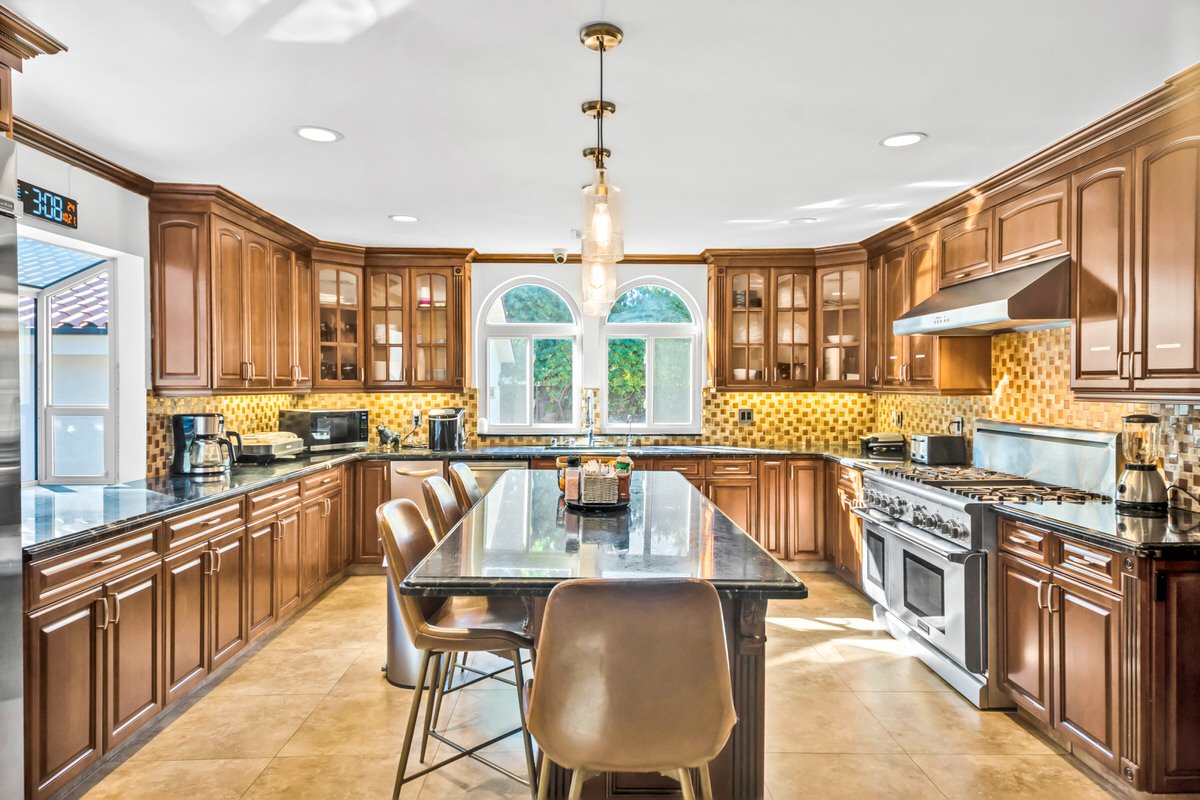 Chef-Prepared Meals Daily
Complex PTSD (CPTSD) comes from prolonged or repeated trauma — childhood abuse, sustained domestic violence, prolonged combat. It’s clinically distinct from single-incident PTSD: more affect regulation issues, more relational disturbance, more identity disruption alongside the standard PTSD symptoms. Complex PTSD treatment plans differ accordingly. The course runs longer. The early phase emphasizes affect regulation skills before active trauma processing. Relational repair and narrative work get more time. Complex PTSD treatment also requires more attention to dissociation patterns, since CPTSD often involves protective dissociative defenses that need careful, paced work to integrate. Depression co-occurs in most complex PTSD cases — see our depression treatment page.
There’s no single best therapy for PTSD — modality matching matters more than picking a winner. EMDR for PTSD is the gold standard for single-incident trauma, FDA-recognized, and often produces fast progress. Trauma-focused CBT has strong evidence for both single-incident and complex presentations. Somatic experiencing therapy works for body-stored trauma where talk-based work has stalled. Brainspotting helps with procedural memory. Ketamine-assisted therapy is the option for treatment-resistant PTSD. Why residential matters: daily structured therapy plus stabilization support means modality switches can happen quickly when one approach isn’t moving the case.
Integrated, not sequential — that’s the rule for PTSD and substance abuse. Substance use is often self-medication for trauma symptoms (numbing intrusion, dampening hyperarousal, escaping avoidance), so treating the substance use without treating the trauma typically produces relapse. We integrate by running EMDR alongside MAT when indicated. Trauma stabilization protocol accounts for substance withdrawal and medication interactions. The same therapist often holds both presentations to avoid the splitting that happens when a trauma therapist and addiction counselor work in parallel without coordination. See our recovery programs hub for substance-side detail.
Most major commercial insurers cover residential PTSD treatment under MHPAEA mental-health parity laws. Plans we work with regularly include Blue Cross Blue Shield, Aetna, Cigna, Carelon Behavioral Health, Tricare West, VA Community Care Network, and Optum Behavioral Health. VA coverage applies for veterans, and we coordinate the authorization process. Same-day insurance verification is standard at GEVS. To start the verification process or check VA eligibility, see our verify your insurance page or call (844) 501-5005.