



MEDICAL ALCOHOL DETOX · ASAM 3.2 · 24/7 SUPERVISION

Safe, Managed Alcohol Detox

Supervised alcohol withdrawal in a private estate. Evidence-based detox protocols, 24/7 care, and a setting designed for actual recovery — not a hospital bed.Call (844) 501-5005Verify Insurance
Joint Commission Accredited
Substance-Specific Protocols
24/7 Medical Team
Private Gated Estate

Personalized Alcohol Detox — Why the First 72 Hours Are the Riskiest

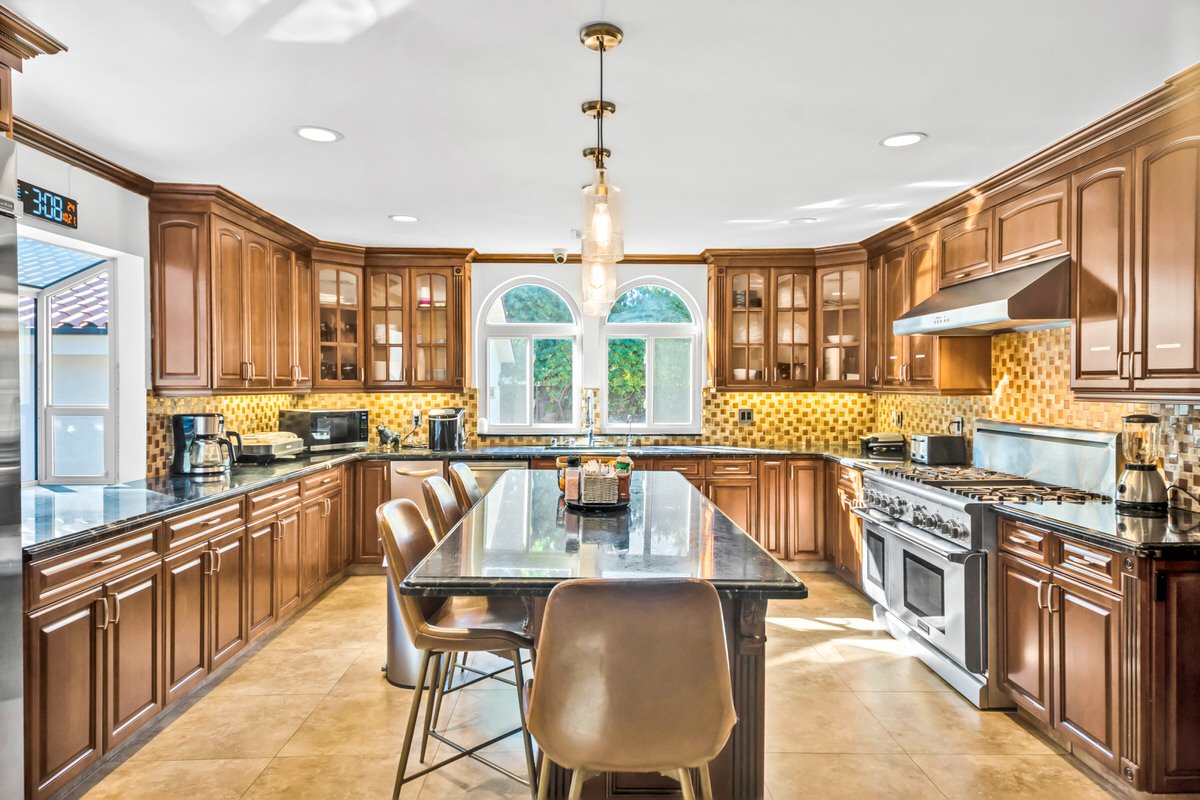
Here at Gevs Recovery when your in detox you wont be alone,or in a sterile hospital setting. You're detox is managed in a private estate. Quitting alcohol is not just hard — it can be dangerous without proper medical care. Alcohol requires a medically focused foundation to safely manage the potentially deadly symptoms of withdrawl. We offer detox with a team to handle and address withdrawal symptoms safely, from mild discomfort to severe complications including seizures and DTs (delirium tremens) that can begin to occur up to 72 hours after the last drink. The seizure window after ceasing alcohol use begins to pose a risk at hours 12 to 48 hours and in most cases is significantlly reduces after hour 72. Evaluations including the CIWA-Ar that are administered on intake and at regular intervals after guide every dosing decision.You can expect prescription of withdrawl managment medications such as chlordiazepoxide (Librium), diazepam (Valium), and lorazepam (Ativan) in addition to anti-siezure medications including Gabapentin or Carbamazepine to ensure the risk of siezures is managed. All of that is done on site, not in a hospital room. Your detox can be safely managed in single-occupancy suites, with chef-prepared meals, a private healing garden, fitness suite. The clinical and medical work is the priority; the comfort is the supporting cast that ensures healing. Acute symptoms in most cases subside after 5-10 days but GABA receptors and sleep architecture often takes weeks, we lay the foundation for a full recovery in detox. We design the medical taper for the initial acute detox symptoms while begning the work to prepare for what comes next. Following Detox many of our clients continue treatment for alcohol in our residential alcohol program.We have found that the home-not-hospital setting actually changes outcomes — as a client here you will sleep, eat and relax in comfort to ensure you feel willing and ready to keep going.
Alcohol Detox — Gev's Recovery

The Alcohol Detox Process — From Intake Through Day Seven

1

Initial Medical Assessment

Comprehensive health check, medication-history review and intake assesments including the alcohol-withdrawal severity scale (CIWA-Ar).These assesments are followed by your intake with the medical provider who will recomend and prescribe any and all neccesary medications for your detox protocol.
2

Medical Stabilization

Long-acting benzodiazepines like Librium or chlordiazepoxide manage the seizure risk. Thiamine and folate prevent Wernicke-Korsakoff. Hydration and electrolyte correction is offered throughout to encourage your bodies recovery.
3

Therapeutic Support

Therapy begins gently as withdrawal subsides. day mood crashes often occur after a few days which we plan for from day one. Initial clinical sessions are light and focus on supporing sleep restoration along with anhedonia screening and the begining stages of your treatment plan.
4

Aftercare Planning

Most clients transition into our alcohol residential program; some complete detox and tranition into outpatient with a comprehensive plan. The medical team in detox stays involved through the residential program to ensure a smoth continuity of care.

Alcohol withdrawal can start within hours of your last drink and the seizure risk increses with every hour after that until you receive medical care. Call (844) 501-5005 or verify insurance to start medical alcohol detox safely.

Call (844) 501-5005Verify Insurance

What to Expect

Day 1–3: Acute Withdrawal

Our on site staff Continuously montior Alcohol withdrawal symptoms including tremors, sweats, insomnia, racing heart, anxiety. We complete fresh vitals and ancillary assesments every 4 hours and adjust meds when needed. The first 72 hours carry the highest seizure risk so the oversight during this period remains consistent and integral to the program structure.

Day 3–5: Stabilization

Most clients can expect symptoms to begin easing as your body adjusts to the medication. The seizure risk drops sharply after 72 hours. In most cases during this stage the medical team will begin titrating the narcotic medications on a taper schedule. Therapy can begin slowly as you feel comfortable.

Day 6 onward: Mental Reset

as your body continues to adjust Focus widens to include intial clinical work, including therapy and identification of the underlying causes of addiction. This is when the work becomes about why, not what. Therapy starts as natural sleep patterns return.

After Detox

Transition into ongoing treatment with a personalized aftercare plan. Most clients transition into our 30-day alcohol residential program; the medical team you met in detox stays involved and the clinical program becomes more robust as your body and mind become more capable.

Where the Work Happens

Resort-Style PoolResort-Style Pool
Spa, Sauna & Wellness SuiteEn-suite bathroom
Chef-Prepared Meals DailyChef-Prepares Meals Daily

Take the First Step — Confidential Alcohol Detox, 24/7

Confidential admissions, 24/7. We'll walk you through every step.Call (844) 501-5005Verify Insurance

Frequently Asked Questions

How long does alcohol detox take?

Alcohol detox at GEVS Recovery ranges depending on the specifics of each persons use history and symptoms. The average treatment time at this level of care is 5 to 7 days which reflects the easing of acute withdrawl symptoms and the closing of the seizure window at around 72 hours. After detox, most clients transition into our alcohol residential program for the longer 30 to 90 day arc; some complete and move forward with an outpatient plan.

Is alcohol withdrawal dangerous?

Yes — alcohol detox is one of only two substances where withdrawal can kill you (the other is benzodiazepines). The seizure risk runs the highest 12 to 72 hours after the last drink. DTs (delirium tremens) can develop at 48 to 96 hours. Outpatient or at-home detox is highly risky for moderate-to-heavy drinkers and il-advised for any person experiencing detox symptoms as they can escelate quickly. Our medical team prevents the worst outcomes through CIWA scoring, benzodiazepine taper, vitals monitoring along with anti-siezure and comfort medications.

What is the difference between alcohol detox and alcohol rehab?

Alcohol detox is the step in treatment that adresses the accute medical concerns. Alcohol rehab is the 30 to 90 days of structured treatment after. Detox without the following rehab in most cases is a high-relapse risk identifyer.At Gevs recovery we offer both the initial detox and follow on residential programs on the same campus, with the same medical team, and the same clinical teams — no transfer between providers. See alcohol residential program for the next phase.

How much does alcohol rehab cost — and does insurance cover detox?

Yes, Almost all major commercial insurers cover medically necessary alcohol detox — Anthem Blue Cross of California, Aetna, Cigna, Carelon Behavioral Health, UnitedHealthcare, Empire Plan / NYSHIP are among them. Self-pay options exist with transparent pricing. Same-day verification at GEVS. With or without insurance no commitment to a specific path is required to determine coverage. Verify your insurance in under five minutes.