

1
Opiate detox is the medical clearance — opiate rehab is where the work shifts from withdrawal to what’s underneath. Most clients arrive after 5 to 10 days of opiate detox; the harder work is the 30 to 90 days that follow. The cravings ease but don’t disappear. The trauma surfaces. The chronic pain demands clinical attention.
Clinically, this is opioid use disorder (OUD) — a chronic, treatable medical condition. Untreated OUD has high mortality from overdose. Treated OUD has outcomes comparable to other chronic conditions like diabetes or hypertension. The framing matters because it reshapes how the work gets done.
Medication-assisted treatment is the standard of care for opioid addiction treatment. Buprenorphine (Suboxone, monthly Sublocade injection) reduces cravings and overdose risk. Methadone for clients where it fits. Naltrexone (Vivitrol) for clients ready for the next step. We use all three when clinically indicated. We don’t withhold them on principle.
Many opiate residential clients have chronic pain underneath. The opioid prescription was for legitimate pain — back, joint, post-surgical, neuropathic — and the pain didn’t end when the prescription was supposed to. Our chronic pain rehab track addresses both: the addiction and the pain that started it.
And when the prescription path led to heroin — common among clients over 35 — we treat the heroin rehab need without judgment. The pills-to-heroin transition is a pharmacology story, not a moral one. We’ve found that the clients who do best are the ones whose chronic pain gets taken seriously alongside the addiction work.

 Resort-Style Pool
 Spa, Sauna & Wellness Suite
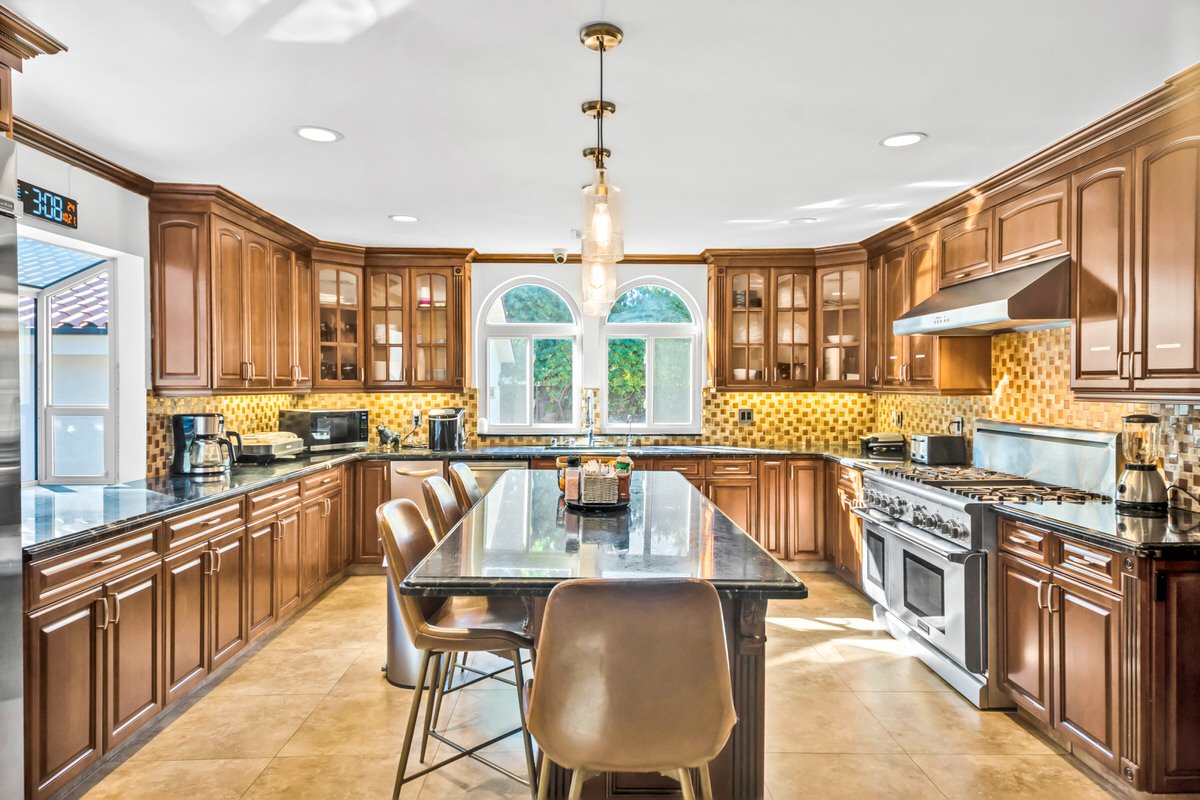 Chef-Prepared Meals Daily
Standard opiate rehab runs 30 to 90 days residential. The 30-day version covers acute stabilization plus initial therapeutic work. The 60-day version adds skill-building depth and trauma-informed work for clients with significant trauma history. The 90-day version is for complex cases — chronic pain underneath, severe trauma, repeated relapse history. Long-term MAT continues post-discharge: months to years for many clients on the evidence. Most insurance covers 30 days as a baseline; 60 to 90 days require medical-necessity documentation, which our admissions team prepares. See our opiate detox page for the medical clearance phase that sets up the residential arc.
Opioid use disorder (OUD) is a chronic, treatable medical condition characterized by compulsive opioid use despite negative consequences, plus tolerance and withdrawal physiology. The DSM-5 criteria run from mild (2-3 symptoms) to severe (6+ symptoms). Opioid use disorder treatment combines medication-assisted treatment (buprenorphine, methadone, or naltrexone) with behavioral therapy and case management. Untreated OUD has high mortality from overdose. Treated OUD has outcomes comparable to other chronic conditions — diabetes, hypertension, asthma — that nobody questions treating long-term. See our recovery programs hub for the full pathway.
Yes, long-term MAT for opioids is safe — and it’s evidence-supported. Buprenorphine on a steady dose has decades of safety data, including in pregnancy. Methadone maintenance has 60+ years of evidence. Naltrexone has no abuse potential by design. Duration is a clinical decision, not a deadline. Many clients stay on MAT for months to years; some indefinitely. The mortality benefit (overdose reduction) persists for as long as MAT continues, and rapid discontinuation is associated with relapse and overdose risk. We discontinue MAT only when the client is stable and the decision is made jointly.
Most major commercial insurers cover residential opiate rehab under SUD parity laws. Plans we work with regularly include Anthem Blue Cross Blue Shield, Aetna, Cigna, Carelon Behavioral Health, UnitedHealthcare, and Empire Plan / NYSHIP. MAT medications — Suboxone, Sublocade injection, Vivitrol naltrexone — are usually covered separately under medical or pharmacy benefits. The 60 to 90 day stays require medical-necessity documentation, which our admissions team handles. Same-day insurance verification is standard at GEVS. To start the verification process, see our verify your insurance page or call (844) 501-5005.