





ALCOHOL REHAB · 30–90 DAYS · INPATIENT

Long-Term Alcohol Recovery — Inpatient Alcohol Rehab, Built One Day at a Time

Inpatient alcohol rehab in a private estate — 30, 60, and 90 day programs with continuous medical care, evidence-based therapy, and the family programming that decides outcomes.Call (844) 501-5005Verify Insurance
Joint Commission Accredited
Substance-Specific Protocols
24/7 Medical Team
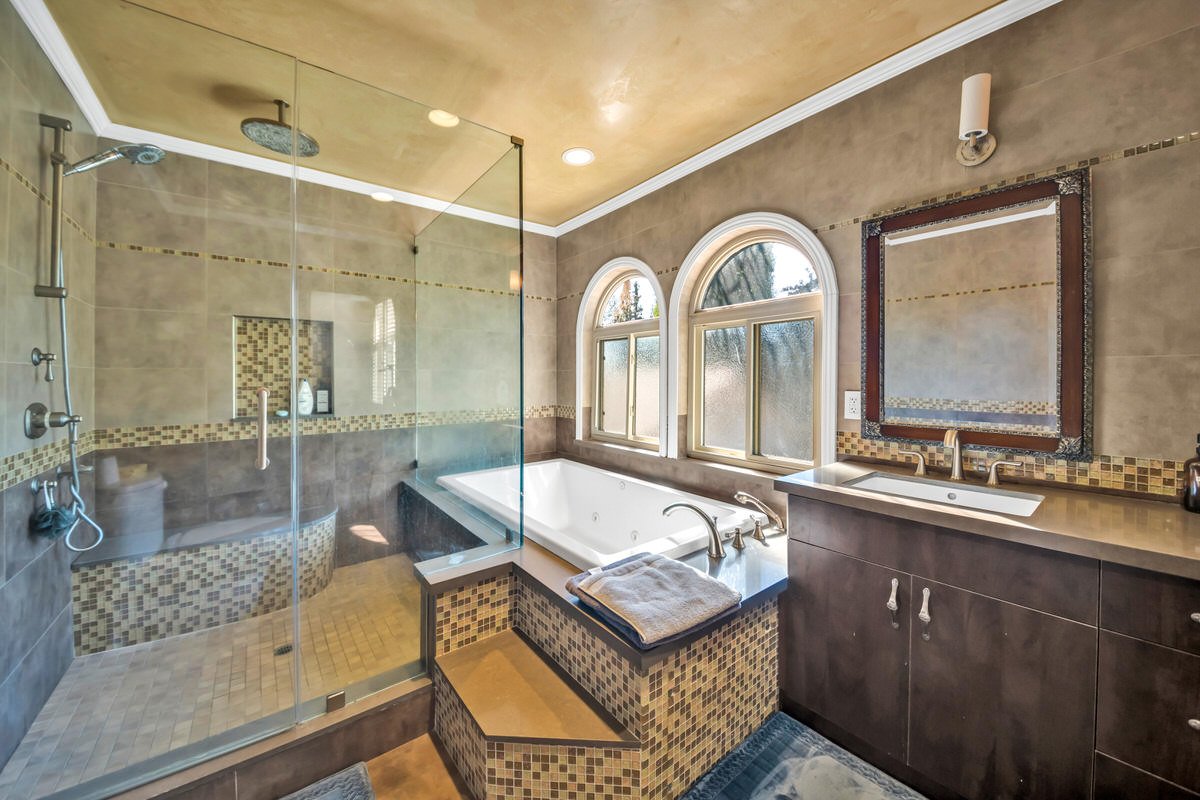
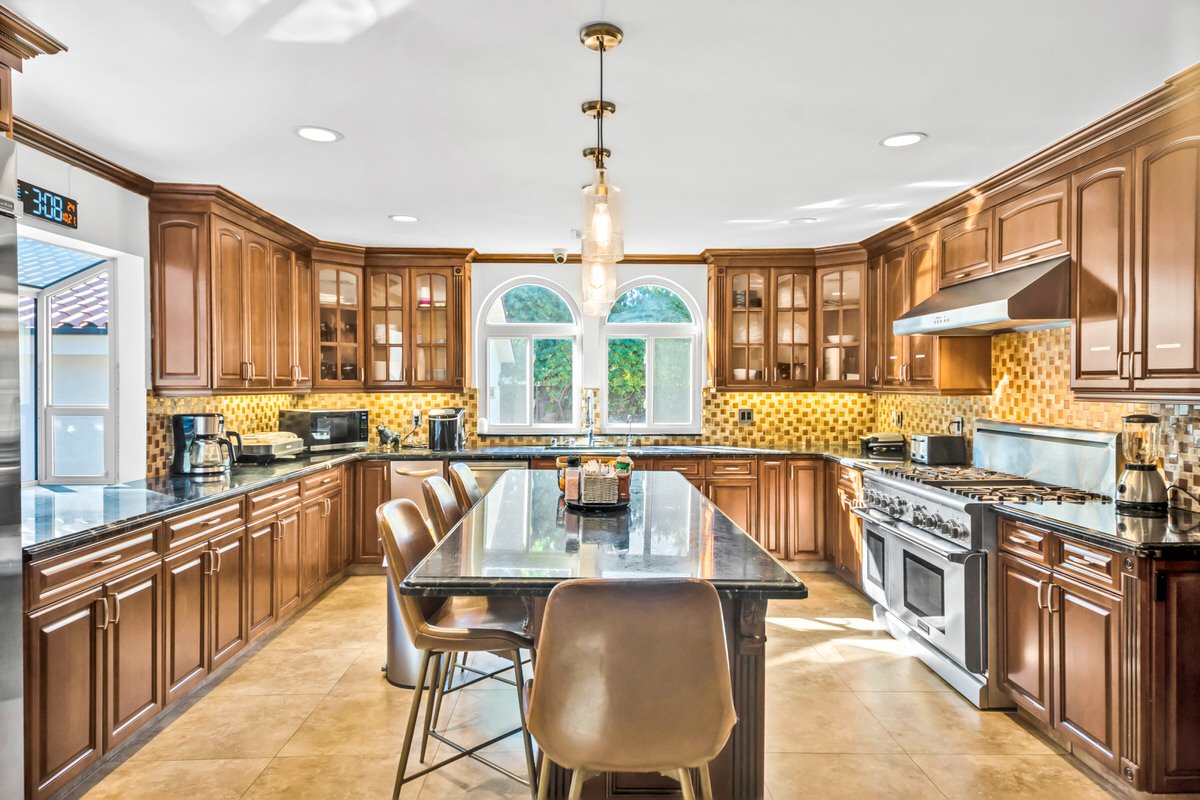
Private Gated Estate

Inpatient Alcohol Rehab That Actually Treats the Cause

Alcohol detox is the medical clearance — alcohol rehab is the rebuild. Most clients arrive after 5 to 7 days of detox; some arrive without needing detox at all because their use pattern does not trigger the seizure window. Either way, residential alcohol rehab is where the work shifts from physiological to behavioral.The clinical name is alcohol use disorder — AUD. It is a chronic, treatable condition with measurable outcomes. Untreated alcohol use disorder carries a 60 to 90 percent relapse rate within the first year. Residential treatment cuts that significantly when the timeline is honest.There is medication-assisted treatment for AUD, and we use it. Naltrexone reduces cravings and the reinforcing high. Acamprosate stabilizes brain chemistry post-acute. Disulfiram makes drinking physically aversive. We use all three when clinically indicated; we do not withhold them on principle.30-day alcohol rehab is the starting line. 60-day is the standard. 90-day rewires. Each interval does different clinical work — not just more of the same.We have found that the clients who do best in alcohol rehab are the ones who stop trying to graduate fast and accept the timeline the brain actually needs.
alcohol rehab at GEVS Recovery — Alcohol Residential — Gev's Recovery

The Residential Arc

1

Week 1: Stabilize

Sleep restoration. Nutrition rebuild. Vital-sign normalization. Medication review — continuing or starting AUD MAT, naltrexone or acamprosate. Group orientation. First individual therapy session by day three.
2

Weeks 2–3: Build

Therapy intensity increases. CBT for relapse prevention. DBT for emotional regulation. Motivational interviewing for ambivalence about recovery. Family program orientation when family is involved.
3

Weeks 4–6: Practice

Skills-in-real-time. Day passes when appropriate. Aftercare planning — outpatient referrals, sober living options, continued MAT prescription, weekly therapy after discharge. Discharge with a plan, not a hope.
4

Aftercare

Continued MAT prescription, weekly outpatient therapy, peer support. The first 90 days post-discharge carry the highest relapse risk; we plan for them rather than hope through them.

30 days changes things. 90 rewires them. Detox without follow-on care has poor odds. Residential changes that. Call (844) 501-5005.

Call (844) 501-5005Verify Insurance

What to Expect

What a Day Looks Like

Mornings on a structured rhythm. Breakfast. Morning group. Individual therapy 2 to 3 times per week. Lunch. Therapeutic activity — yoga, art, hike. Afternoon group. Dinner. Evening peer support. Sleep hygeine support. Predictable, not regimented.

Therapy Modalities

CBT for thought patterns. DBT for emotion regulation. EMDR for trauma. Motivational interviewing for ambivalence. 12-step facilitation when clients want it; SMART Recovery when they do not. Acceptance and Commitment Therapy when CBT misses.

Medical Continuity

Same medical team from detox through residential through discharge. Naltrexone or acamprosate maintenance prescribed when indicated. Cardiac follow-up when alcohol use was sustained or high-dose. Mental-health medications continue without disruption.

Family Program

Family is most often the system that supports recovery — or the one that disrupts it. Family programming starts week one. Educational sessions, family therapy, communication workshops. Family does not visit; family participates. Help your loved one heal covers the family side in detail.

Where the Work Happens

Resort-Style PoolResort-Style Pool
Spa, Sauna & Wellness SuiteSpa, Sauna & Wellness Suite
Chef-Prepared Meals DailyChef-Prepared Meals Daily

Long-Term Alcohol Recovery — Confidential Inpatient Alcohol Rehab, 24/7

Confidential admissions, 24/7. We’ll walk you through every step.Call (844) 501-5005Verify Insurance

Frequently Asked Questions

How long is alcohol rehab — and is 30 days enough?

Alcohol rehab at GEVS Recovery starts here. 30, 60, and 90 days are the standard residential lengths. 30 days is the floor — most clients benefit from 60 or more. Research shows 60-day treatment runs roughly 50 percent more effective than 30-day, and 90-day produces the best long-term outcomes. The difference is not just longer; the clinical work is different at each interval. 30 days stabilizes. 60 days rebuilds skills. 90 days rewires patterns. Verify your insurance and we will give a case-specific length recommendation on the same call.

What is MAT for alcohol use disorder?

Medication-assisted treatment for AUD includes three FDA-approved options. Naltrexone, oral or as the monthly Vivitrol injection, blocks the reinforcing reward and reduces cravings. Acamprosate (Campral) stabilizes brain chemistry post-acute and reduces post-acute withdrawal. Disulfiram (Antabuse) makes drinking physically aversive — for highly motivated clients. Most residential alcohol rehab programs underuse these meds. We do not. See alcohol detox for the medical clearance that often precedes MAT initiation.

What is the difference between alcohol detox and alcohol rehab?

Alcohol detox is the 5 to 7 day medical clearance — managing the withdrawal window safely with monitoring and benzodiazepine taper when needed. Alcohol rehab is the 30 to 90 day residential program after, where the work shifts to behavioral and emotional. Detox without rehab is a high-relapse pattern. GEVS does both, on one campus, with the same medical team carrying through. See medically supervised alcohol detox for the clearance specifics.

How much does alcohol rehab cost — and does insurance cover it?

Most major commercial insurers cover residential alcohol rehab under SUD parity laws — Anthem Blue Cross of California, Aetna, Cigna, Carelon Behavioral Health, Magellan Health, Health Net of California, UnitedHealthcare among them. Length of stay determines cost; 30-day baseline pricing scales up for 60 and 90-day programs. Self-pay options and out-of-network coverage often work when in-network is thin. Same-day verification at GEVS, no commitment to a specific path before the cost picture is clear. Verify your insurance in under five minutes.