



INPATIENT DRUG REHAB · 30–90 DAYS · SUBSTANCE-SPECIFIC TRACKS

Drug Rehabilitation That Holds Up in the Real World

Residential drug rehab calibrated to your substance — opioid, stimulant, polysubstance, co-occurring mental health. 30, 60, and 90 day programs with the medical team continuous from detox through aftercare.Call (844) 501-5005Verify Insurance
Joint Commission Accredited
Substance-Specific Protocols
24/7 Medical Team
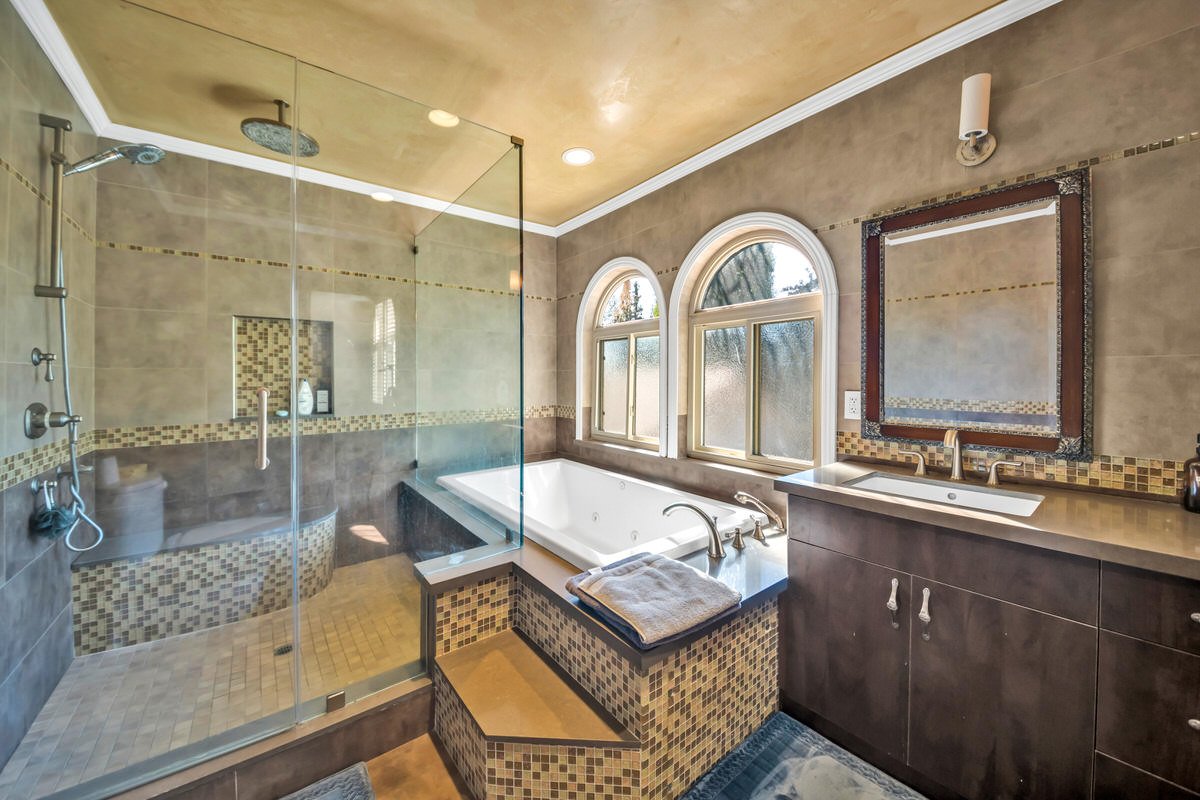
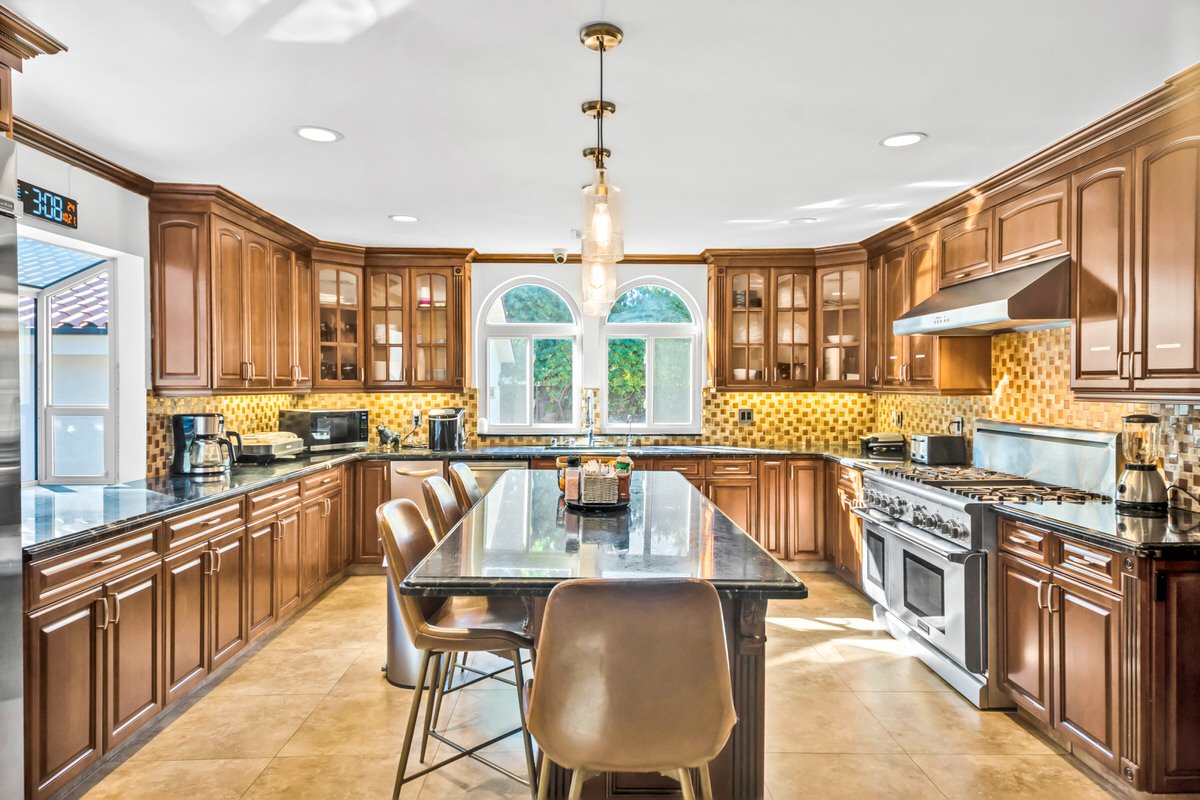
Private Gated Estate

Past the Withdrawal, Into the Work

Drug detox is the medical clearance — drug rehab is the rebuild. Most clients arrive after 5 to 7 days of detox; some arrive without needing detox at all because their use pattern does not trigger acute withdrawal. Either way, residential drug rehab is where the work shifts from physiological to behavioral.Drug rehab at GEVS is not one protocol — it is four tracks. Opioid track includes ongoing MAT (buprenorphine, methadone, naltrexone). Stimulant track includes anhedonia management and cognitive recovery. Polysubstance track is the most common configuration in the door. Co-occurring mental health track integrates psychiatry from day one.Most drug rehab clients have a co-occurring condition — depression, anxiety, PTSD, ADHD, undiagnosed bipolar. Treating the substance without treating the underlying is a relapse pattern. We treat both, in parallel, with one integrated team. Dual diagnosis work runs daily, not weekly.30 days is the starting line. 60 is the standard. 90 is the rewire. Most insurance covers 30; many cover 60 to 90 with appropriate medical-necessity documentation.We have found that the substance-specific track approach matters more than the campus or the meals — that is why we built Gevs the way we have, offering the most effective treatment in a luxury setting to ensure comfort and effect throughout.
drug rehab at GEVS Recovery — Drug Residential — Gev's Recovery

The Residential Arc

1

Week 1: Reassessment

Even after detox, the picture changes. We rescore mental-health symptoms, reassess MAT — continuing buprenorphine or naltrexone, starting acamprosate for co-occurring AUD — and reassign substance track if appropriate. First family contact by day three.
2

Weeks 2–3: Track + Therapy

Substance-specific group programming. CBT for relapse prevention, DBT for emotional regulation, EMDR for trauma, motivational interviewing for ambivalence. Therapy 4 to 6 hours per day; structured peer programming the rest.
3

Weeks 4–6: Skills + Discharge

Skills-in-real-time. Discharge planning starts week four — outpatient referrals, sober-living options, continued MAT prescription, weekly therapy after. Discharge with a plan, not a hope.
4

Aftercare

Continued MAT prescription, weekly outpatient therapy, peer support. The first 90 days post-discharge carry the highest relapse risk; we plan for them rather than hope through them.

Picking the right length of stay matters. We do not push the longest stay; we recommend the right length for the case. Call (844) 501-5005 to talk it through with clinical, not sales.

Call (844) 501-5005Verify Insurance

Substance Tracks

Opioid Track

Buprenorphine maintenance, monthly Sublocade injection, or extended-release naltrexone — calibrated to case. Specialized programming for opioid recovery: triggers, relapse-overdose risk awareness, family naloxone training. Cross-link: opiate residential and fentanyl residential.

Stimulant Track

Anhedonia management. Cognitive recovery support. Psychosis screening for meth-history clients. Cardiac follow-up where indicated. Cross-link: cocaine residential and meth residential.

Polysubstance Track

Most clients are not single-substance. Alcohol plus cocaine, opioids plus benzos, stimulants plus sleep meds — each combination changes the rehab plan. Polysubstance track integrates the medications and the therapy.

Co-Occurring Mental Health

Dual diagnosis is not a side note — it is the underlying. Depression, anxiety, PTSD, ADHD, bipolar — we screen, diagnose, and treat in parallel with substance work. Psychiatric medications continue without disruption. Cross-link: depression and anxiety tracks.

Where the Work Happens

Resort-Style PoolResort-Style Pool
Spa, Sauna & Wellness SuiteSpa, Sauna & Wellness Suite
Chef-Prepared Meals DailyChef-Prepared Meals Daily

Recovery Is a Skill. We Teach It.

Confidential admissions, 24/7. We’ll walk you through every step.Call (844) 501-5005Verify Insurance

Frequently Asked Questions

How long is drug rehab — and what determines the right length?

Drug rehab at GEVS Recovery is fully individualized however we understand the data and you should too. 30, 60, and 90 days are the standard residential lengths. 30 days is the floor. Research shows 60-day treatment runs roughly 50 percent better outcomes than 30-day. What determines length: severity of use, history, co-occurring conditions, and insurance. We do not push the longest stay; we recommend by case, not by template. Verify your insurance and we will give a case-specific length recommendation on the same call.

What is a substance-specific track in residential drug rehab?

The substance track determines the medications and the therapy. Opioid track centers on buprenorphine maintenance and relapse-overdose risk planning. Stimulant track focuses on anhedonia management and cognitive recovery. Polysubstance track integrates plans across multiple substances — most clients fall here. Co-occurring mental health track adds psychiatric medication and therapy in parallel. The track is set on day one and adjusted as the case clarifies.

Is dual diagnosis treated in residential drug rehab?

Yes — and it is not a side note. Most drug rehab clients have a co-occurring condition: depression, anxiety, PTSD, ADHD, bipolar. Treating the substance without treating the underlying is a relapse pattern. We screen, diagnose, and treat in parallel with one integrated team. Psychiatric medications continue without disruption. See dual diagnosis rehab for the integrated-treatment detail.

Does insurance cover inpatient drug rehab?

Most major commercial insurers cover residential drug treatment under SUD parity laws — Anthem Blue Cross Blue Shield, Aetna, Cigna, Carelon Behavioral Health, Empire Plan / NYSHIP, UnitedHealthcare, Optum Behavioral Health among them. 30-day residential is typically covered with appropriate medical-necessity documentation. Many insurers cover 60 to 90 days when clinically indicated. Same-day verification at GEVS, no commitment to a specific path before the cost picture is clear. Verify your insurance in under five minutes.