

1


Benzo detox is the medical clearance — benzo rehab is the extended work that follows. Most benzodiazepine rehab cases need 60 to 90 days residential, not 30. The taper continues. PAWS emerges. The underlying anxiety the prescription was meant to treat needs separate clinical attention.
Xanax (alprazolam), Klonopin (clonazepam), Ativan (lorazepam), Valium (diazepam) — the prescribed benzodiazepines. The taper protocol changes by drug. Xanax has the shortest half-life and the hardest taper. Valium is sometimes the bridge medication itself, used to ease clients off shorter-acting benzos. The pharmacology dictates the timeline.
Protracted withdrawal syndrome — PAWS — sleep disruption, mild perceptual changes, cognitive fog persisting 6 to 18 months post-acute — is uniquely relevant to benzo recovery. Most cases resolve. Some take longer than expected. We plan for the timeline rather than pretend it doesn’t exist. Continuation from benzo detox protocols sets the foundation.
And — the anxiety the benzodiazepine was prescribed for almost always re-emerges. Treating benzodiazepine addiction treatment without treating the underlying anxiety is a relapse pattern we see repeatedly. Our anxiety treatment work runs from week one of benzo rehab, not at discharge. CBT, exposure therapy, non-benzo medication when indicated.
We’ve found that benzo rehab clients who do best are the ones who accept the timeline — and don’t expect the anxiety to disappear with the medication.

 Resort-Style Pool
 Spa, Sauna & Wellness Suite
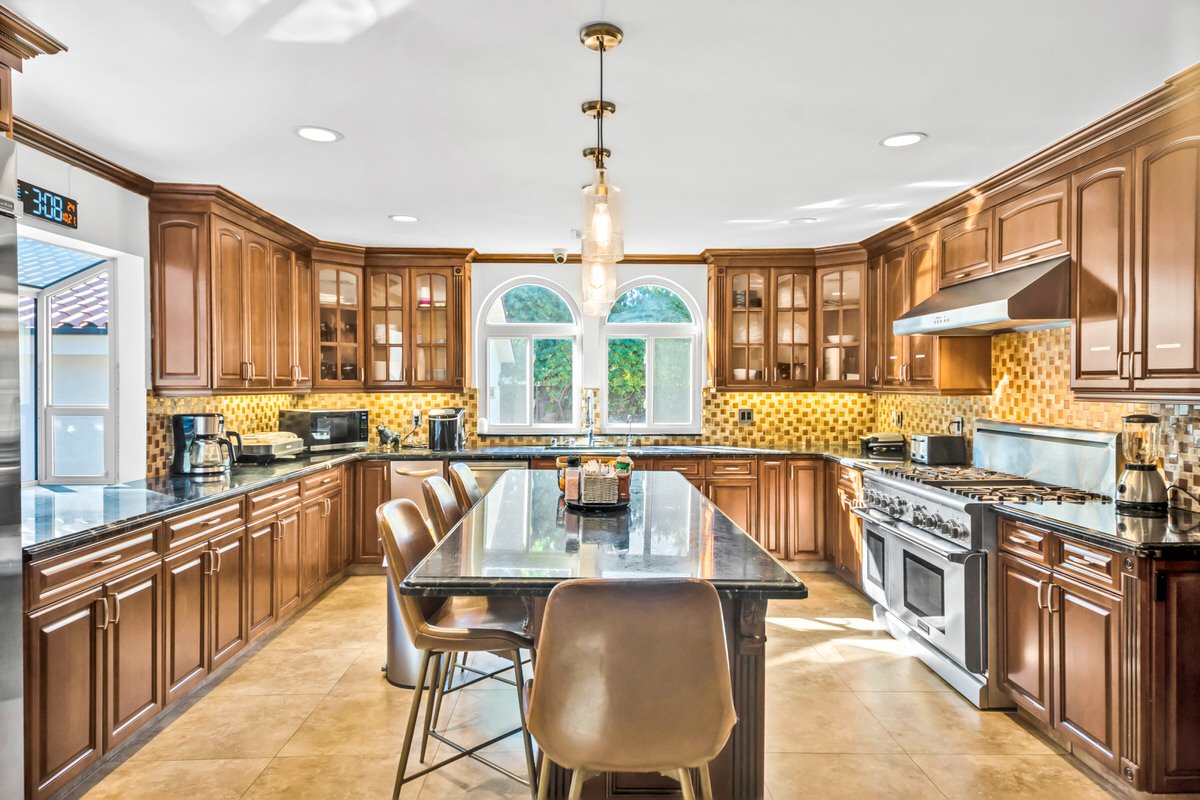 Chef-Prepared Meals Daily
Standard benzo rehab runs 60 to 90 days residential — longer than most other substance residentials. Why: slow-taper continuation often extends past 30 days; PAWS support requires extended monitoring; anxiety-treatment integration takes time to build clinically. Thirty days is rarely enough for benzo recovery specifically. Most insurance covers 30 days as a baseline; 60 to 90 days require medical-necessity documentation, which we handle. Benzodiazepine addiction treatment with the right timeline is what makes the difference between a successful taper and a relapse pattern. See our benzo detox page for the medical-clearance phase that sets up the residential arc.
PAWS — protracted withdrawal syndrome — is the 6 to 18 months of subacute symptoms that follow acute benzodiazepine withdrawal. Symptoms include sleep disruption (most common), cognitive fog, mild perceptual changes, and intermittent anxiety waves. Why benzos specifically produce PAWS: GABA receptor recalibration takes longer than for other substances, sometimes much longer. What helps: sleep hygiene, mindfulness, gradual lifestyle adjustment, sometimes non-benzo anxiety meds when symptom severity warrants medication. Most cases resolve within the 6 to 18 month window. We plan for the timeline rather than medicalize symptoms that will fade. See our anxiety treatment page for ongoing co-treatment.
Often yes — the anxiety the benzodiazepine was prescribed for usually doesn’t disappear with the medication. That’s the central clinical reality of benzo rehab: the underlying disorder predates the prescription and persists past it. Why this matters: treating benzo recovery without treating the anxiety is a relapse pattern. How we integrate: CBT for anxiety, exposure work for panic, non-benzo medication when indicated. Named non-benzo options include buspirone, hydroxyzine, propranolol, and SSRIs (sertraline, escitalopram). For full anxiety treatment depth, see our anxiety treatment program page.
Most major commercial insurers cover residential benzo rehab under SUD parity laws. Coverage typically includes Blue Cross Blue Shield, Aetna, Cigna, Carelon Behavioral Health, UnitedHealthcare, Empire Plan / NYSHIP, and NYSHIP. Iatrogenic-prescription cases — where the original prescription is documented — often have particularly strong coverage. The 60 to 90 day stays require medical-necessity documentation, which our admissions team prepares. Same-day insurance verification is standard at GEVS. To start the verification process, see our verify your insurance page or call (844) 501-5005.