1
Xylazine — known on the street as tranq or tranq dope — is a veterinary sedative that’s now in most of the street fentanyl supply in some U.S. markets. It’s not an opioid. Naloxone doesn’t reverse it. Withdrawal looks different from opioid withdrawal. The protocols we use are different too. Tranq detox at GEVS isn’t relabeled opioid detox.
Xylazine is an alpha-2 adrenergic agonist — the same drug class as clonidine and dexmedetomidine, both of which we use clinically during xylazine withdrawal. The withdrawal reflects the pharmacology: severe anxiety, autonomic instability, sleep disruption, sustained cravings, sometimes mild perceptual changes. The acute xylazine withdrawal phase typically runs 5 to 7 days; However we have seen that in many cases symptoms extend well beyond that.
Most clients arrive with both xylazine and fentanyl exposure — that’s what tranq dope is. We treat both: the opioid component with buprenorphine induction once appropriate, the xylazine component with alpha-2 agonist support and wound care. Trying to address one without the other doesn’t work. fentanyl detox for the opioid-side protocols.
And — uniquely in many ways to xylazine — the skin wounds need real care. Most arrivals with sustained tranq exposure have ulcers or necrotic tissue at injection sites, sometimes far from the actual injection location. We address xylazine wounds from day one, not as an afterthought. Wound-care specialists involved when severity warrants. Wound care continues through detox and into residential and often throughout outpatient to ensure full healing.
We’ve found that the clients who do best in tranq detox are the ones who get the wound care and the medical detox at the same time, not pushing the wounds off a less severe issue. The bridge to opiate residential handles the longe term work needed for long term recovery from tranq.

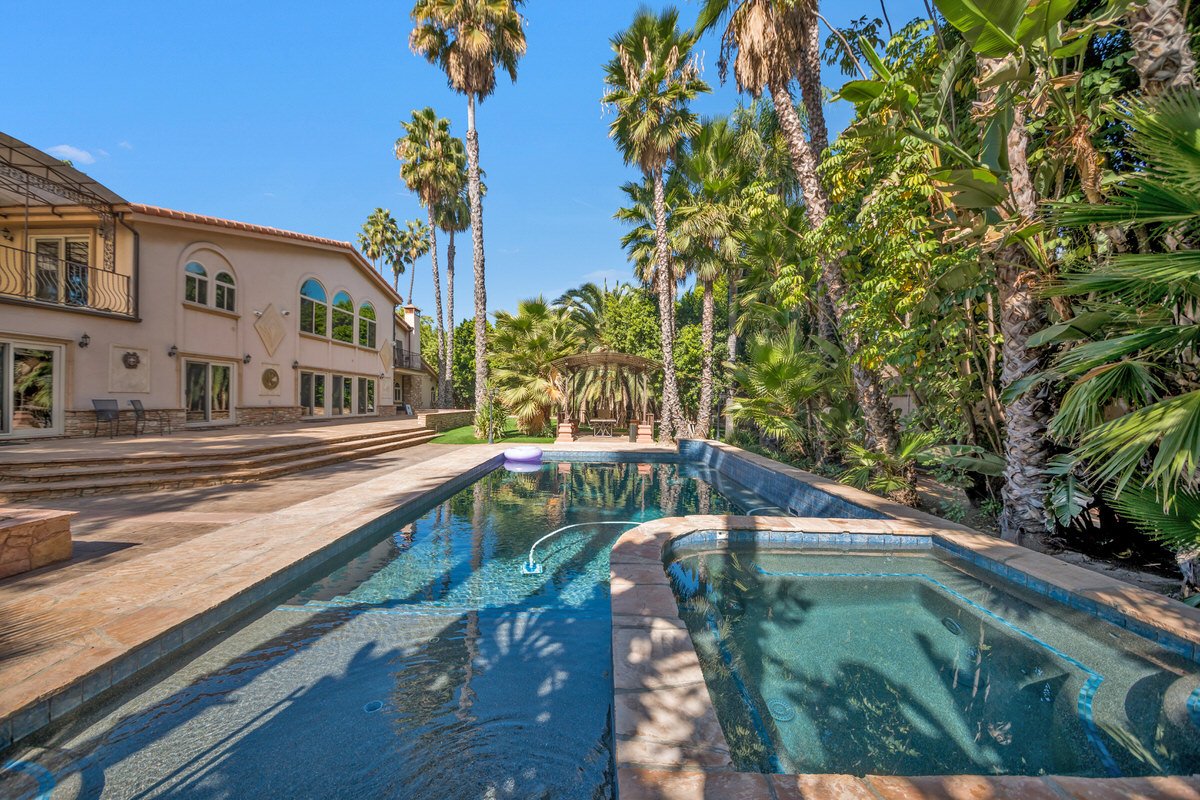 Resort-Style Pool
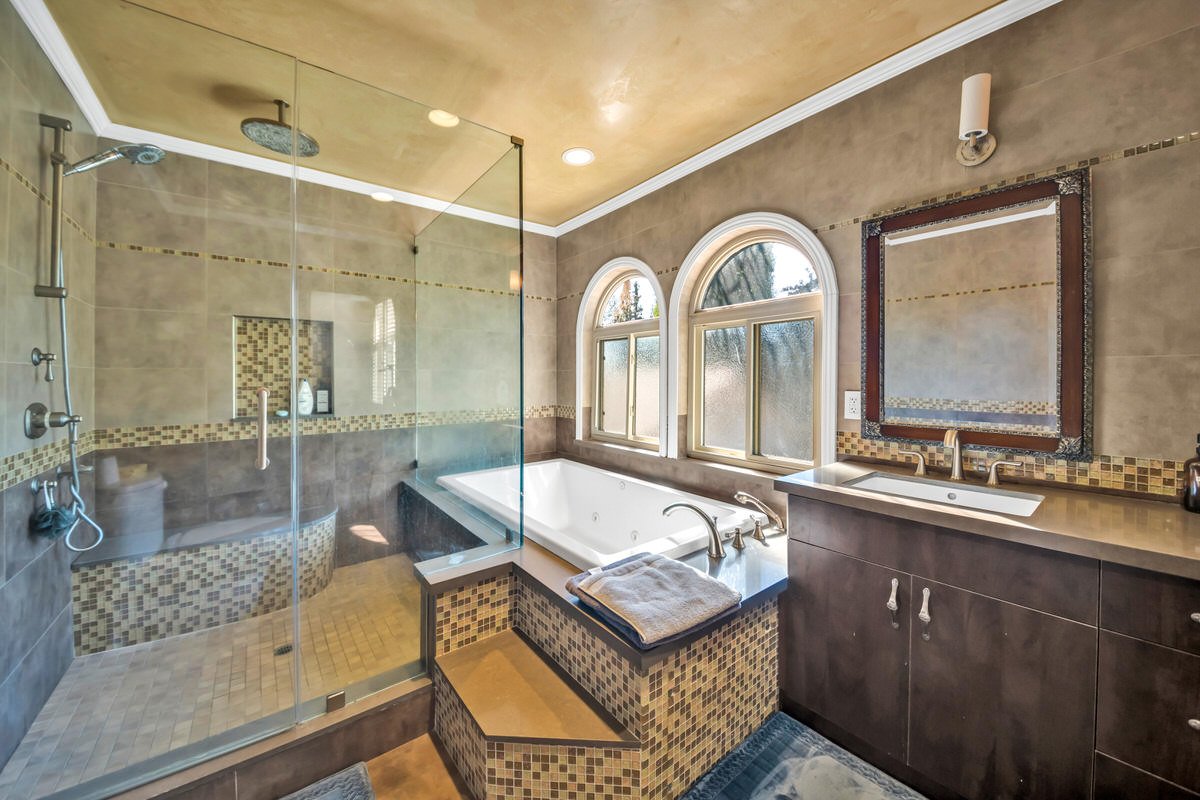 Spa, Sauna & Wellness Suite
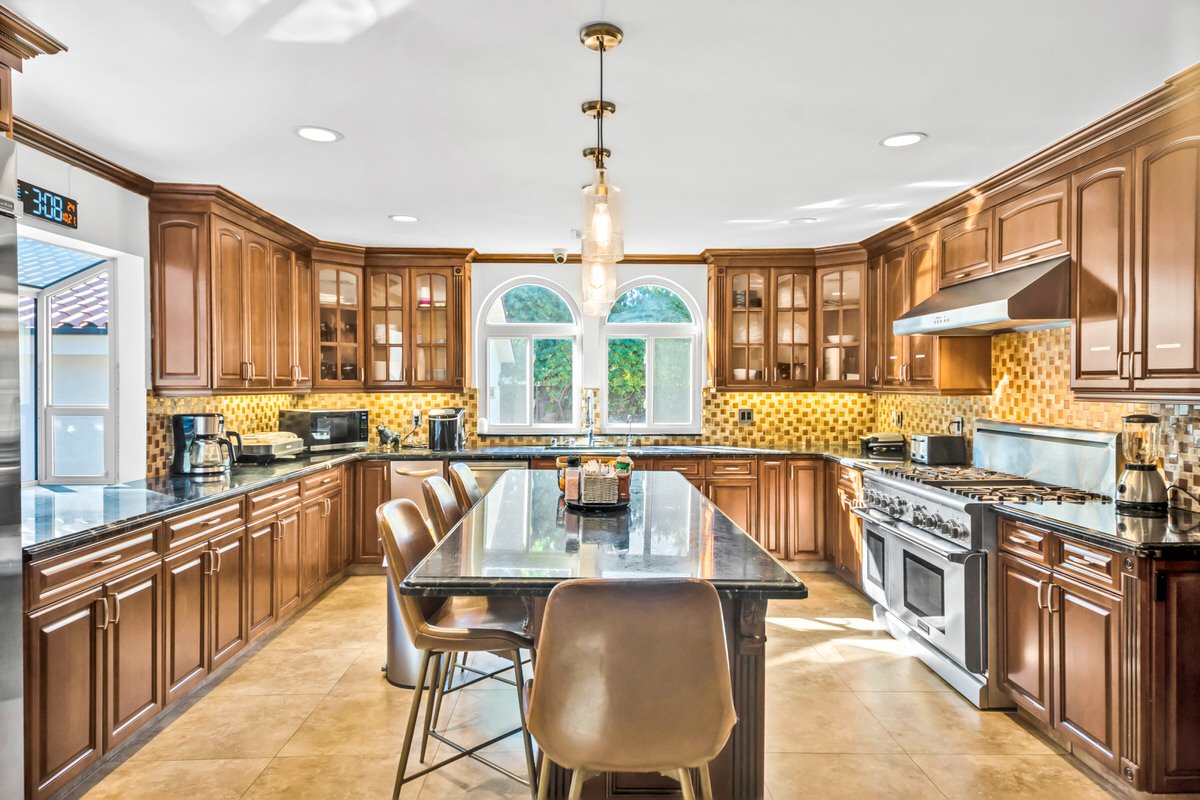 Chef-Prepared Meals Daily
Xylazine detox uses alpha-2 adrenergic agonist support — clonidine or dexmedetomidine — because xylazine is in that same drug class. The mechanism: clonidine and dexmedetomidine occupy the same receptor system, easing the rebound symptoms that cause the worst of xylazine withdrawal. Most tranq detox cases also need parallel buprenorphine induction for the fentanyl component, since street tranq is almost always tranq dope (xylazine + fentanyl). Wound care runs from day one. The acute withdrawal phase typically runs 5 to 7 days at residential level. The bridge to opiate residential handles the longer recovery arc.
Naloxone reverses opioid overdose by displacing opioids from receptors. Xylazine isn’t an opioid — it’s an alpha-2 adrenergic agonist (a sedative). Naloxone has no action on the alpha-2 receptor system, so it doesn’t reverse xylazine sedation. In a tranq dope overdose, naloxone may reverse the fentanyl component but the xylazine sedation persists. The clinical implication: continue using naloxone for any suspected opioid overdose because the fentanyl component is the immediate respiratory threat, but call 911 because xylazine sedation needs supportive medical care that no take-home med provides.
Tranq dope is the street name for xylazine fentanyl combination — illicit fentanyl that’s been cut with veterinary xylazine. It’s now the standard street fentanyl formulation in some U.S. markets, particularly the Northeast and parts of the Midwest. The clinical reality: tranq dope users get both substances simultaneously, often without knowing the xylazine is there. Detox requires treating both — buprenorphine induction for the fentanyl component, alpha-2 agonist support and wound care for the xylazine component. See our fentanyl detox page for the opioid-side protocols and recovery programs hub for the broader pathway.
Most major commercial insurers cover medically necessary tranq detox under SUD parity laws. Coverage typically includes Blue Cross Blue Shield, Aetna, Cigna, Carelon Behavioral Health, UnitedHealthcare, and Magellan Health. Wound-care components and the dual xylazine-plus-fentanyl protocol generally strengthen the medical-necessity case for inpatient admission. Same-day insurance verification is standard at GEVS. To start the verification process, see our verify your insurance page or call (844) 501-5005.